by Ruby Cayenne
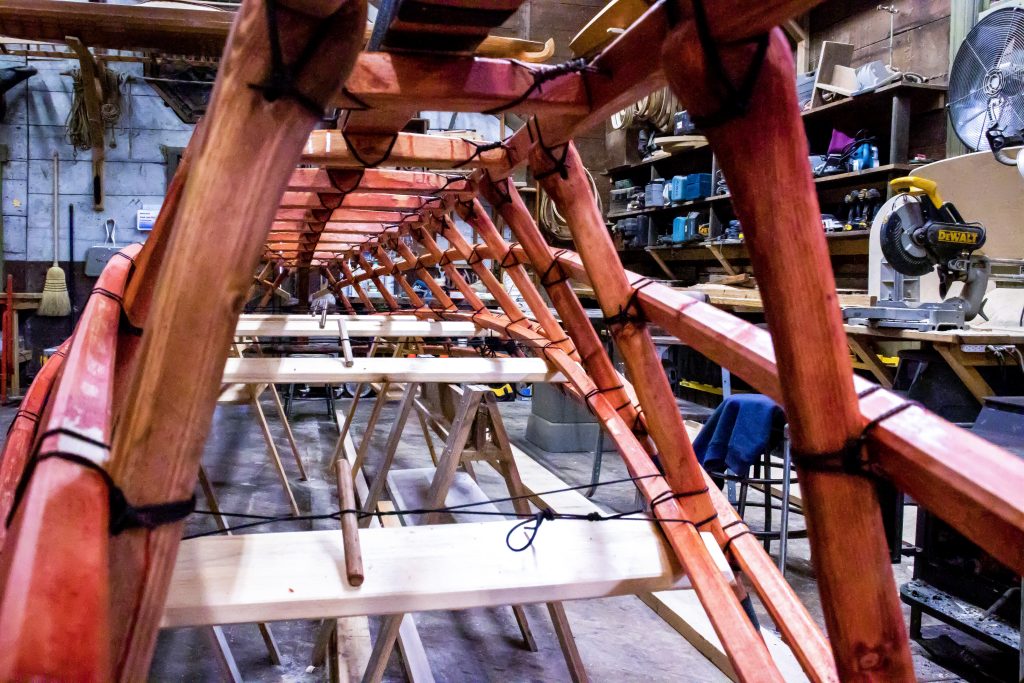
Editor’s Note: Ruby Cayenne’s family has participated in the building of the nigilax̂ at Mind’s Eye Factory.
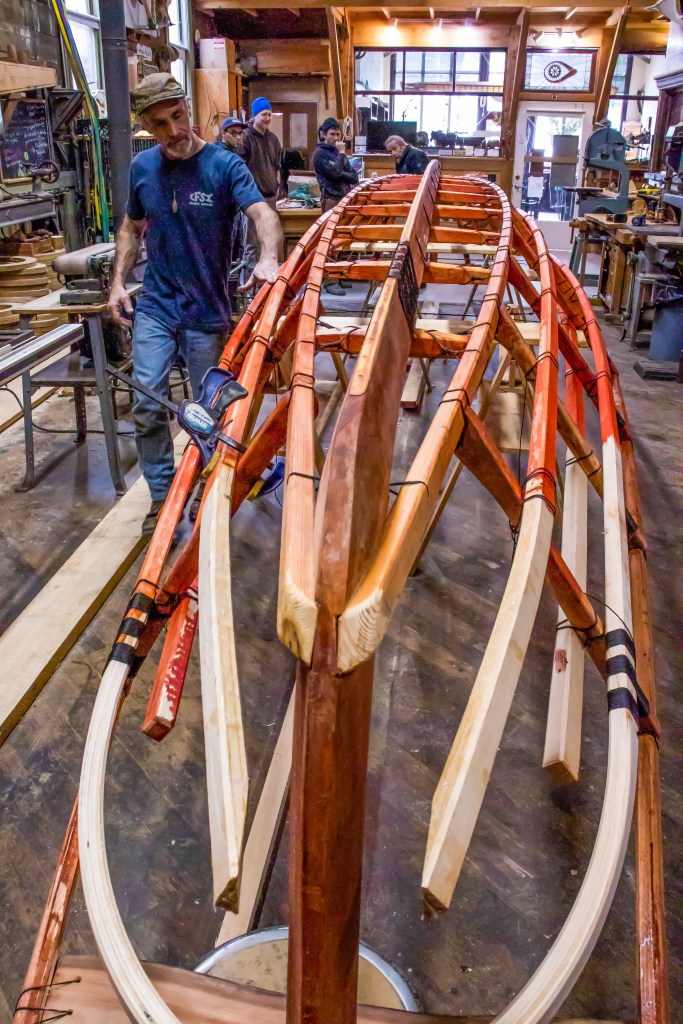
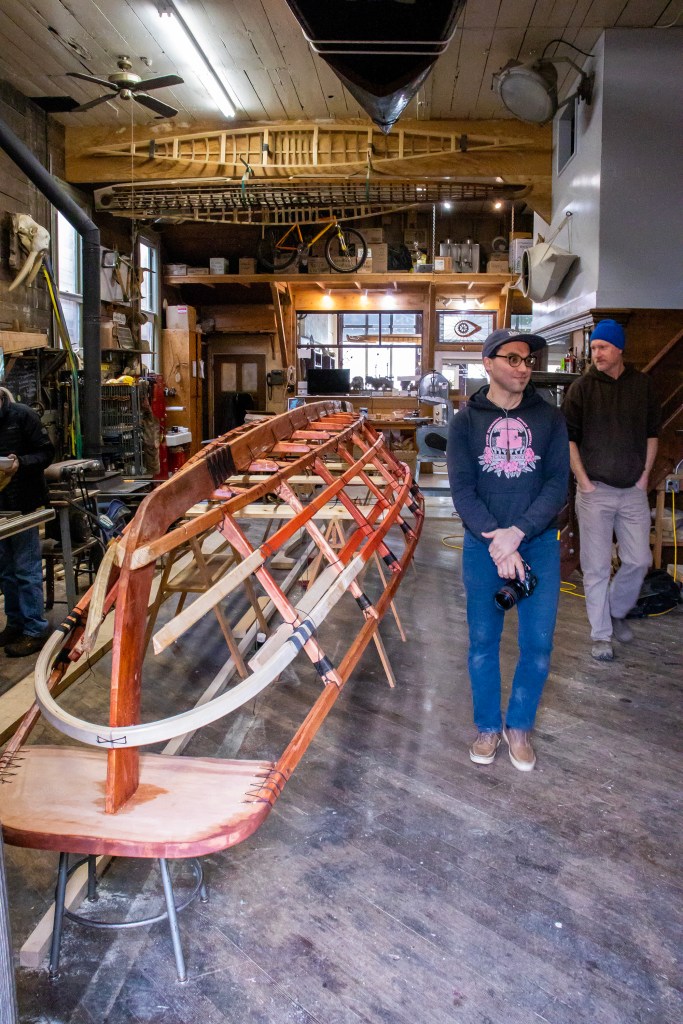
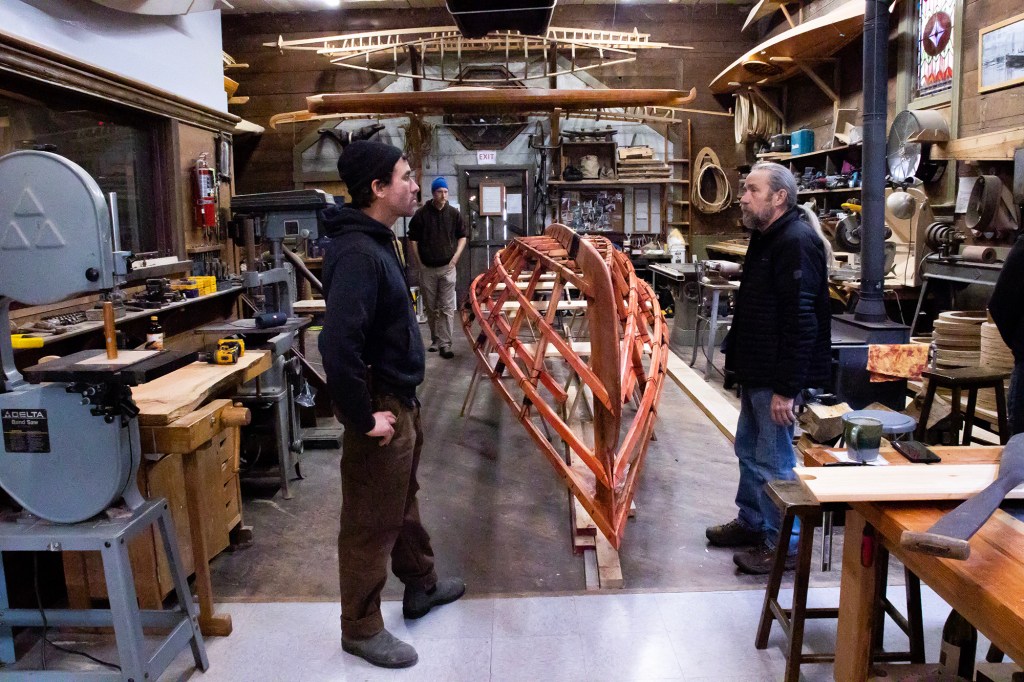
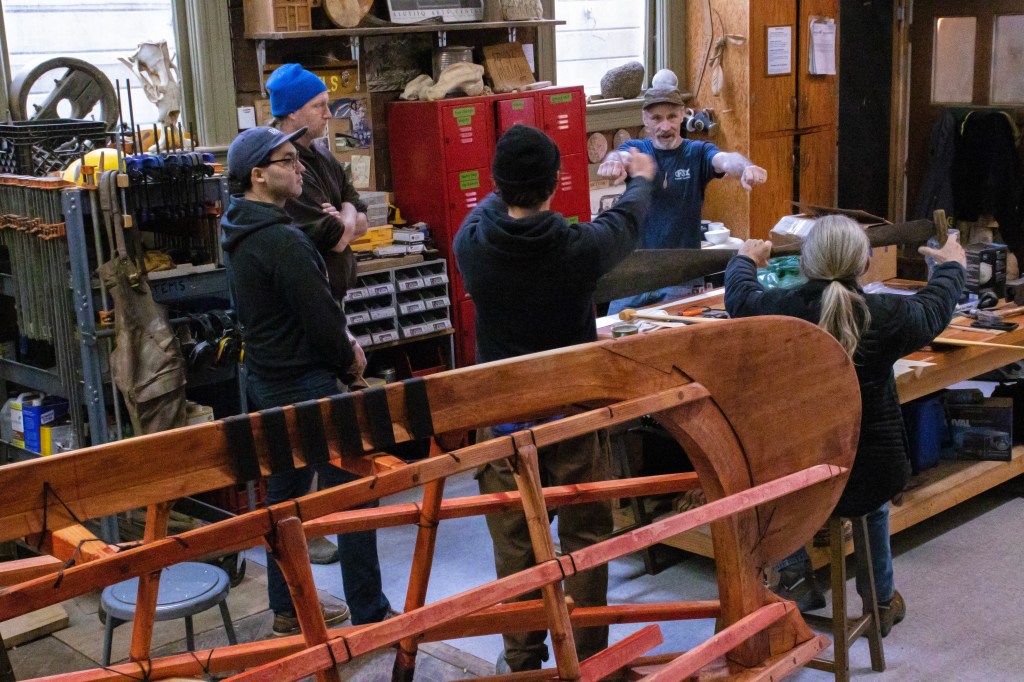
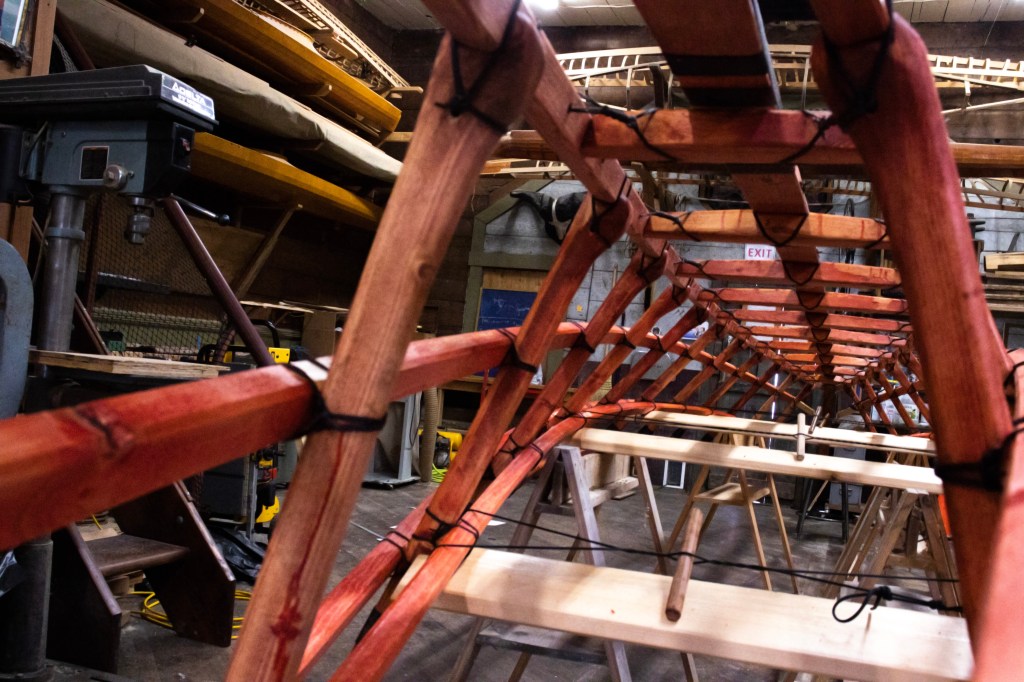
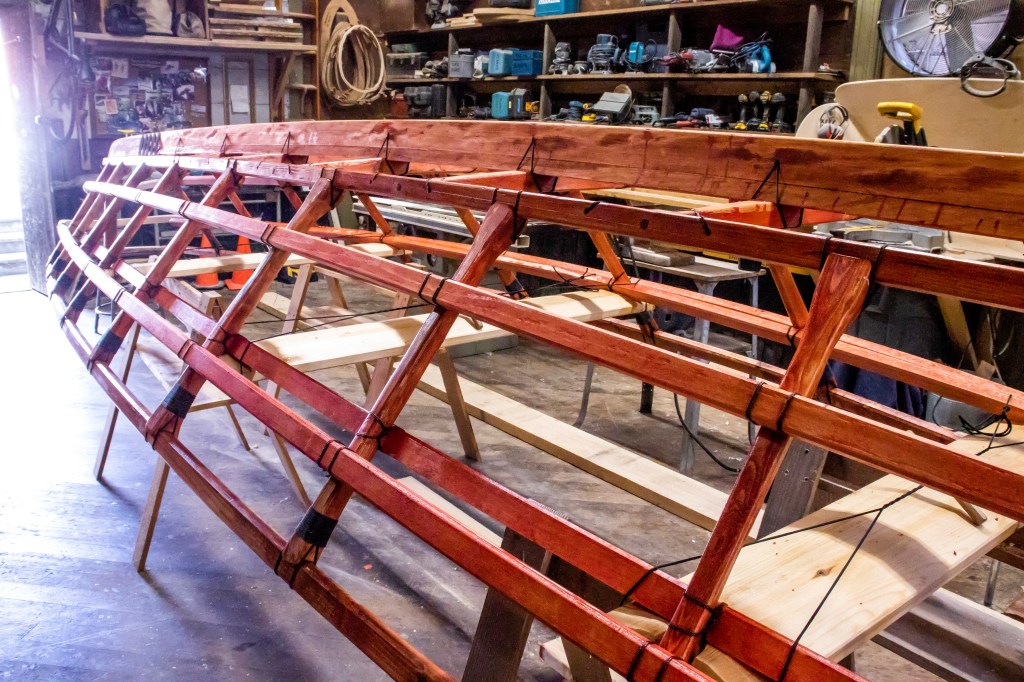
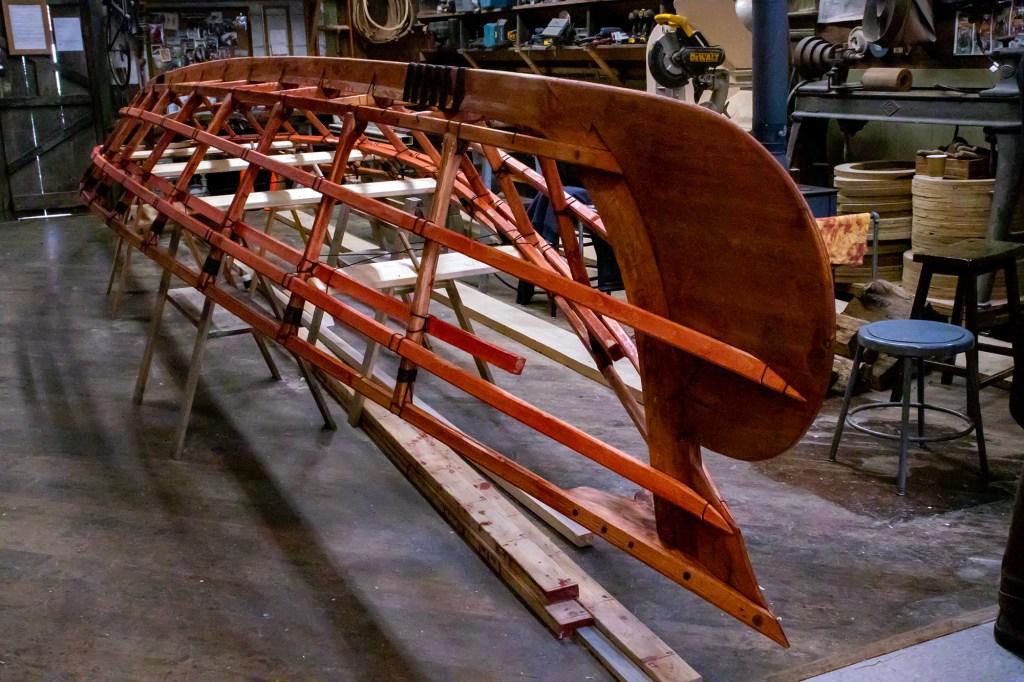
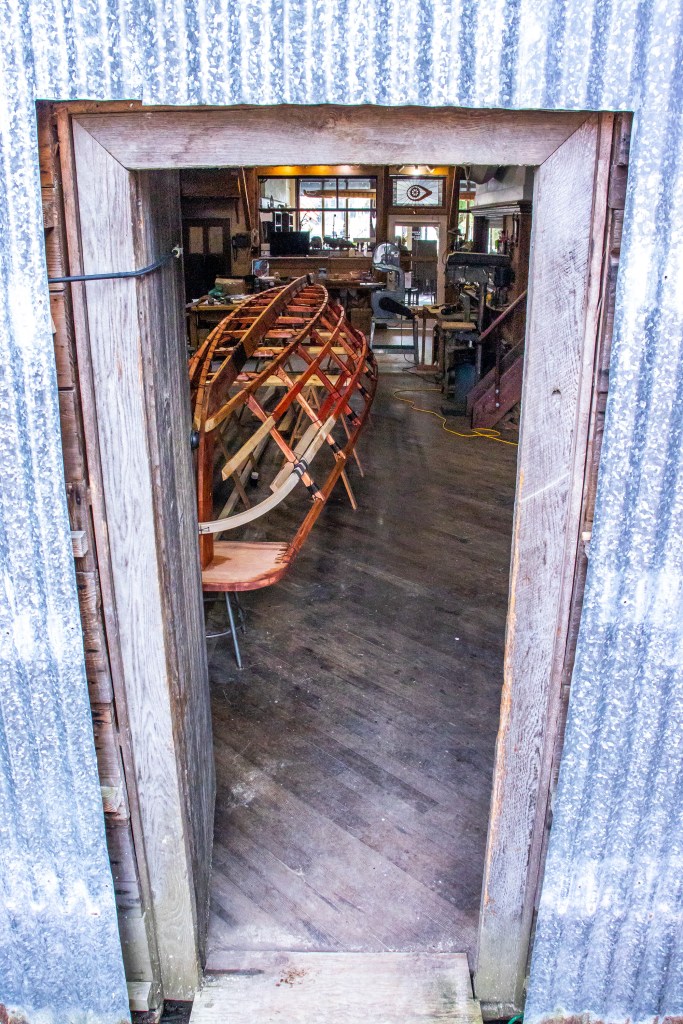
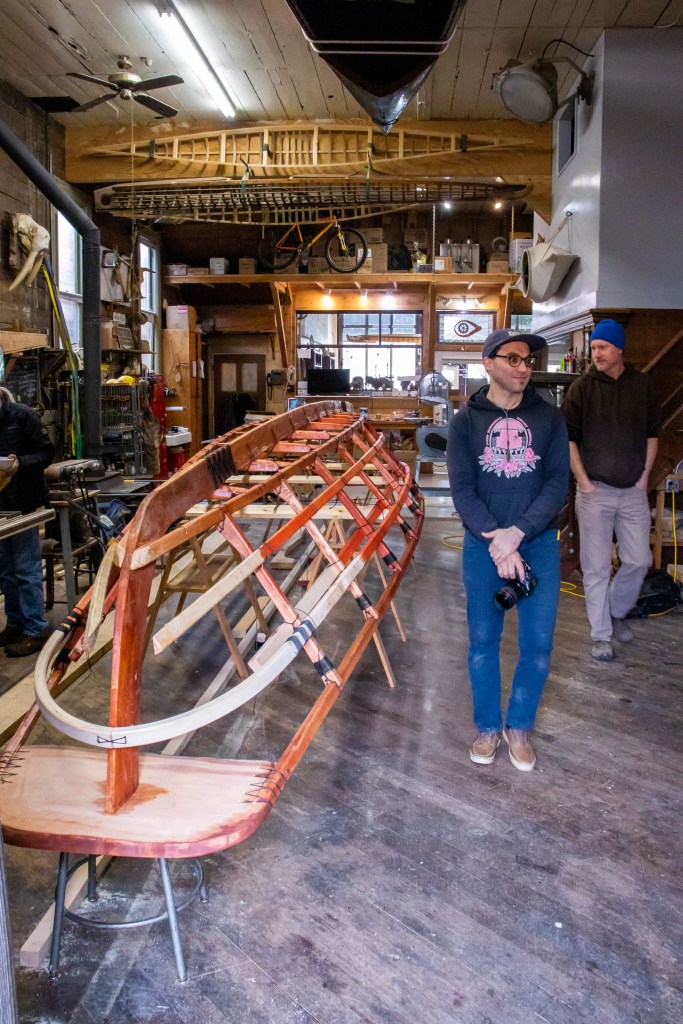
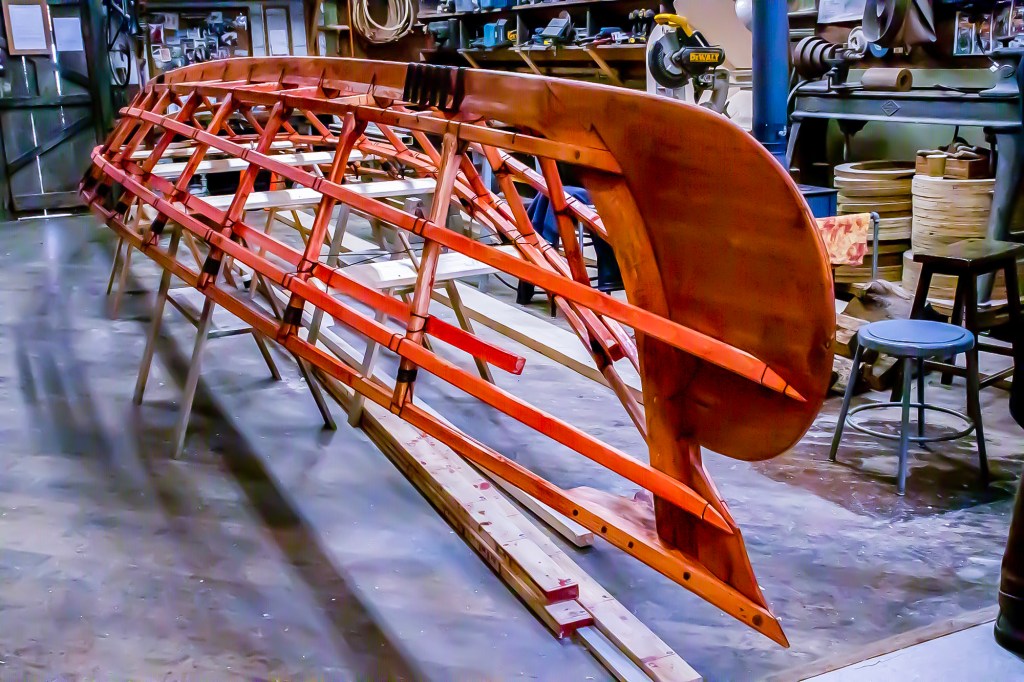
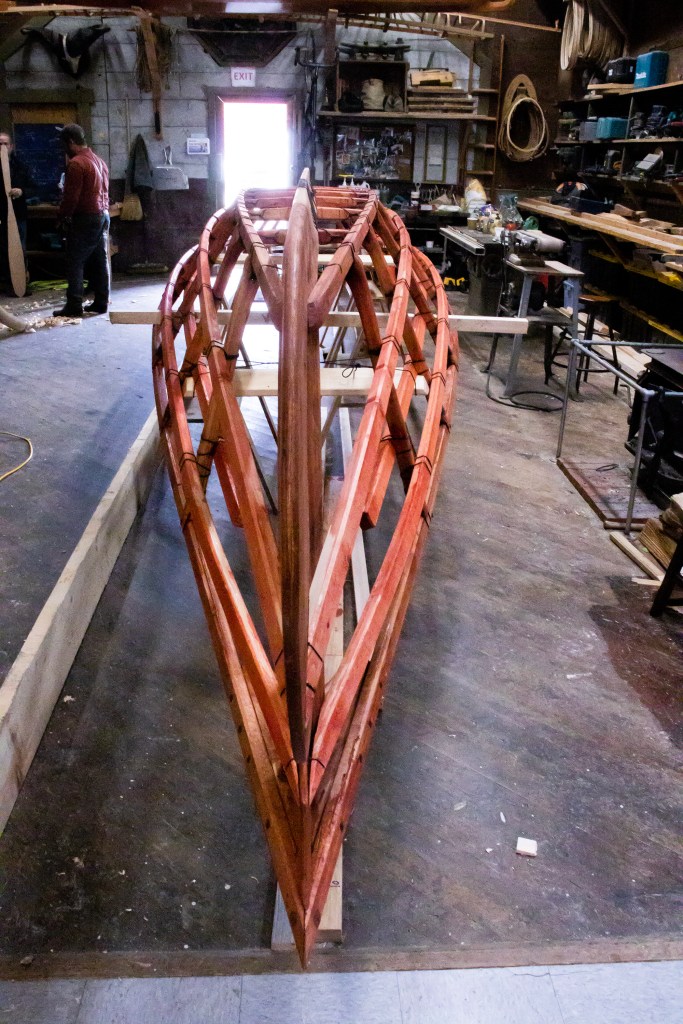
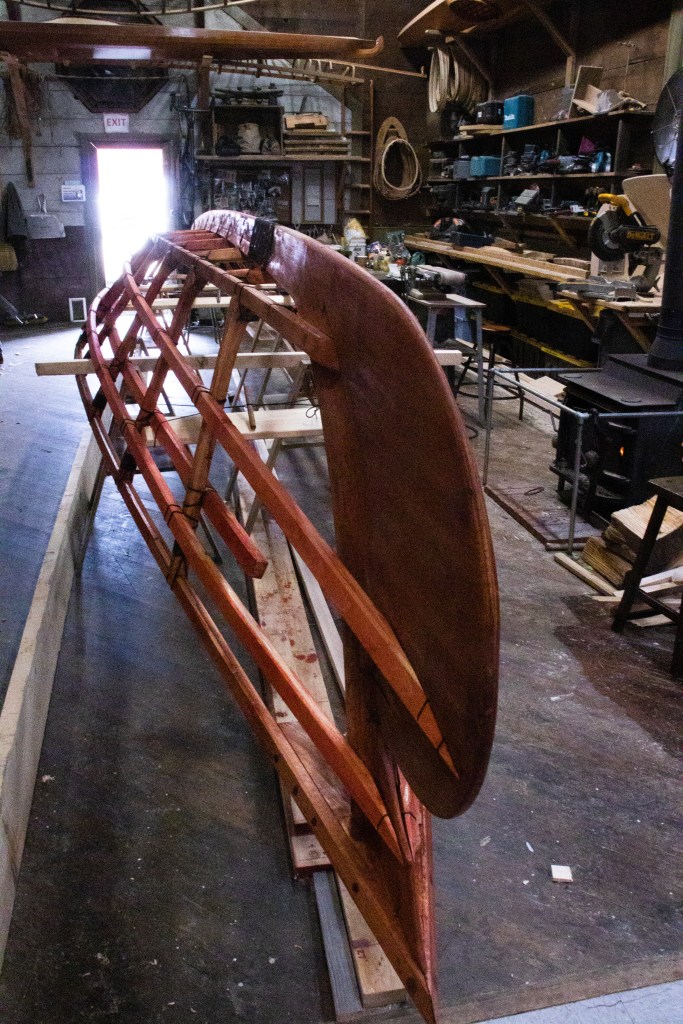
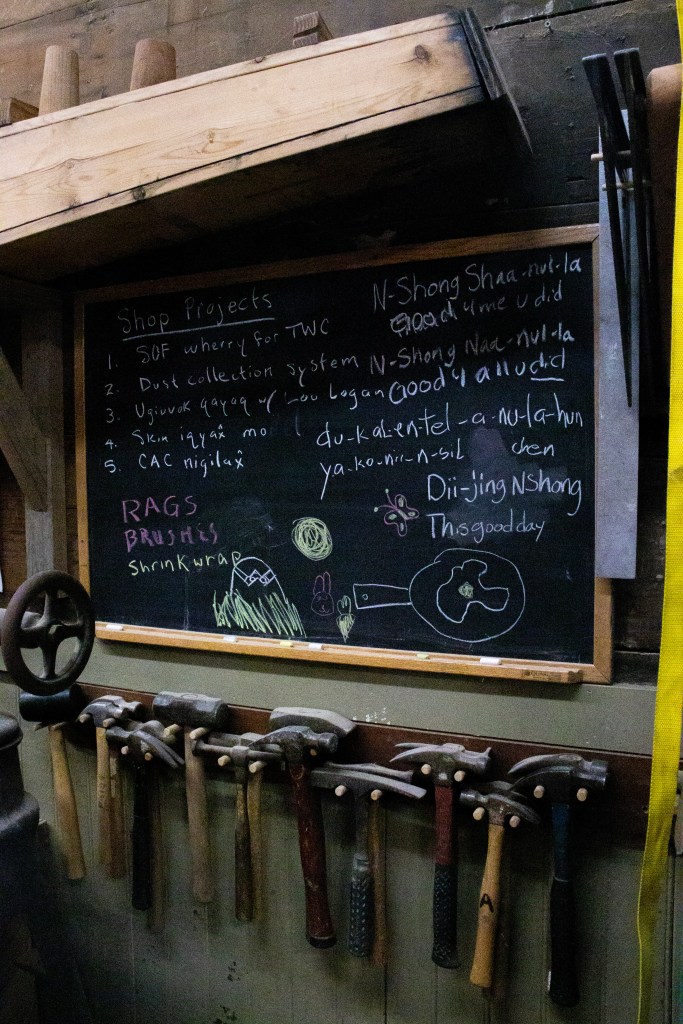
A Journey Across Time is an intertribal and community project bringing to life one of the first nigilax̂ in many centuries, the traditional vessel of the Unangax̂ people of Unalaska. It is being built at Mind’s Eye Manufactory in Ferndale, owned and run by Marc Daniels-Aygagnax̂.
Centuries ago, all the nigilax̂ vessels in existence were intentionally destroyed by Russian colonizers who arrived with extractive intentions. They enslaved many of the Unangax̂ people to take advantage of their superior hunting abilities and took “Unangan women and children hostage, demanding furs in exchange for their lives,” the National Institute of Health said.
Many Unangax̂ people were forcefully taken on an otter hunt that spanned the continent from Alaska, and down through the pacific coast. They stopped in what is now called Metini by Indigenous peoples and Fort Ross, CA by the U.S. government.
“They were taken thousands of miles and intermarried with the native people on the California coast, and they’re still here. Some of them have joined us on this build. It is a time of embracing their heritage and healing for them,” Daniels-Aygagnax̂ said.

“We started off by meeting with Wiyot people and asking for the tribal blessing to begin the project since we’re on Wiyot ancestral lands,” Daniels-Aygagnax̂ said. He received blessings from the tribal government of Saint Paul Island, Alaska and the Qawalangin Tribe of Unalaska. At the beginning of the build, Perry Lincoln and his niece, both members of the Wailaki Tribe, sang a song of blessing.
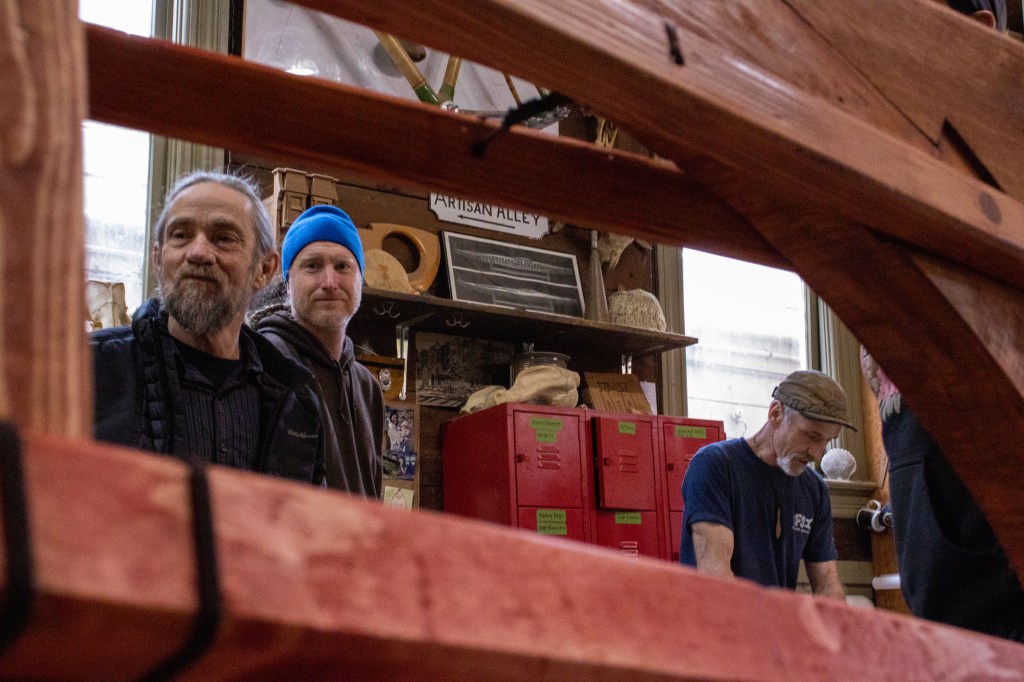
Mike Ferguson is a liberal political activist and a descendant of the Unangax̂ people on his mother’s side. In adulthood, he has been finding a reconnection to his culture through Indigenous boat building. His cousin, Kaneshia McGlashan-Price, is a Unangax̂ tribe member who has been helping build the nigilax̂.
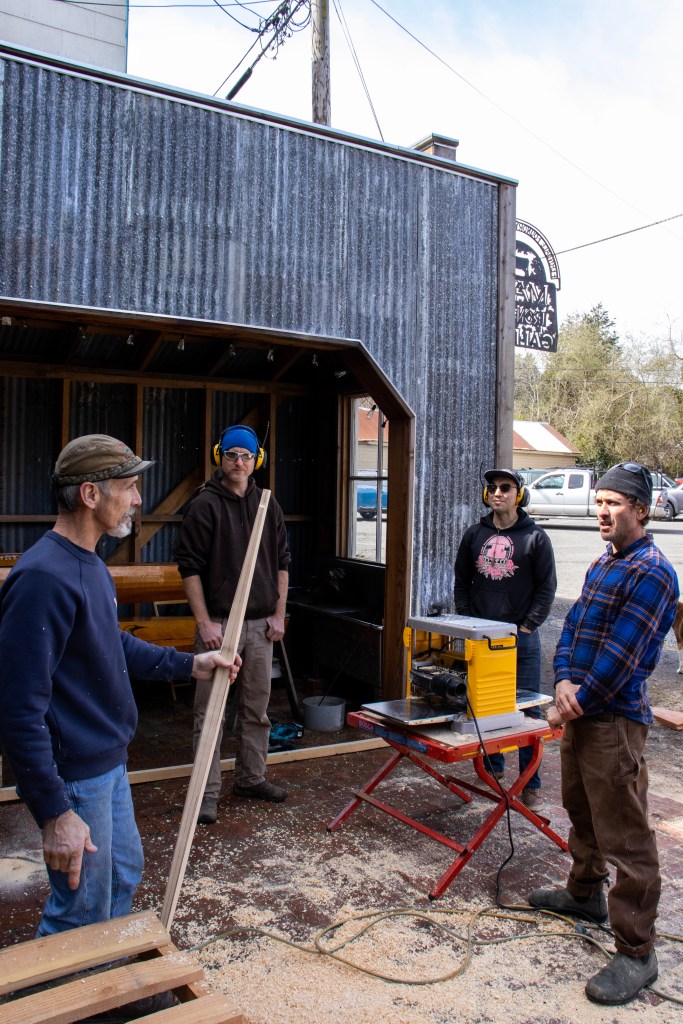
“I feel that’s really made it both a cohesive group process, but also has allowed us to get to know each other. It’s been an intense process, personally and interpersonally. It’s allowed each of us to grow,” Ferguson said when speaking about the building process.
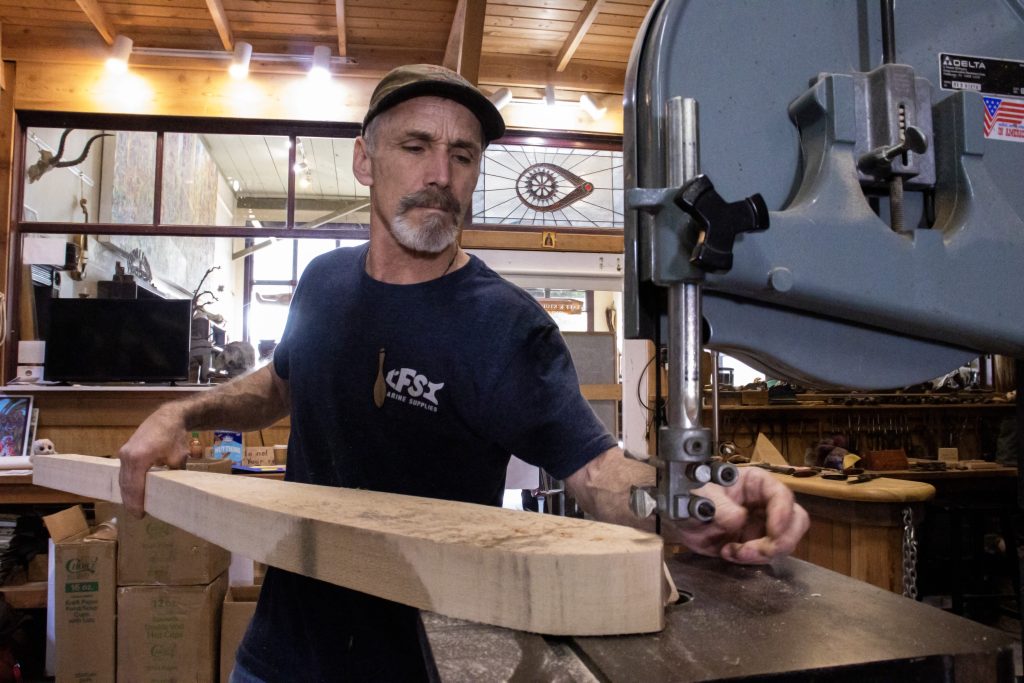
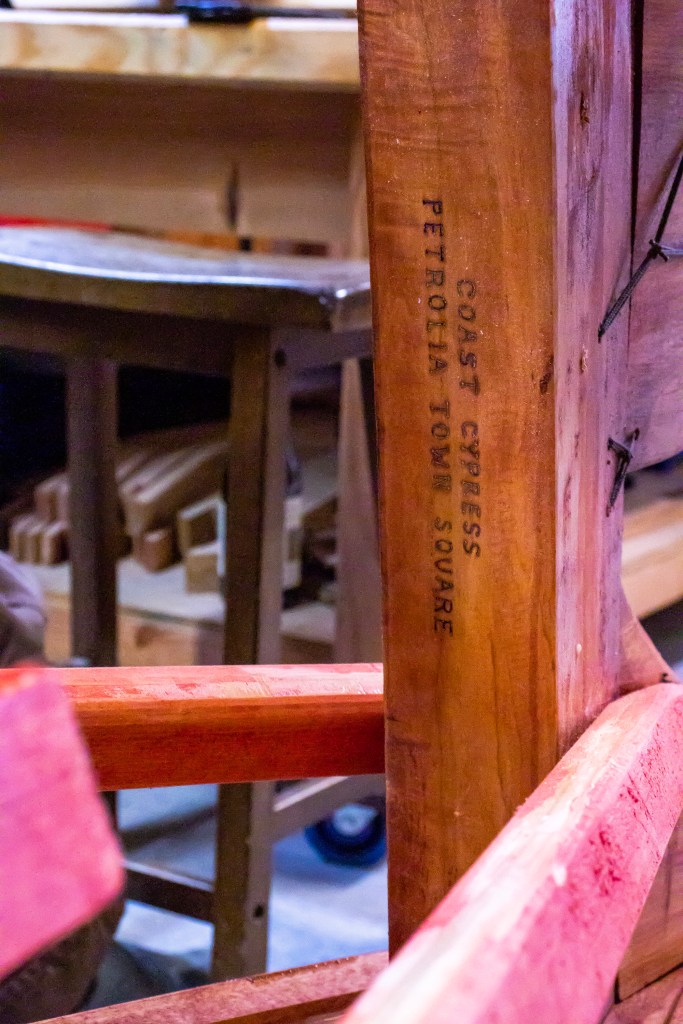
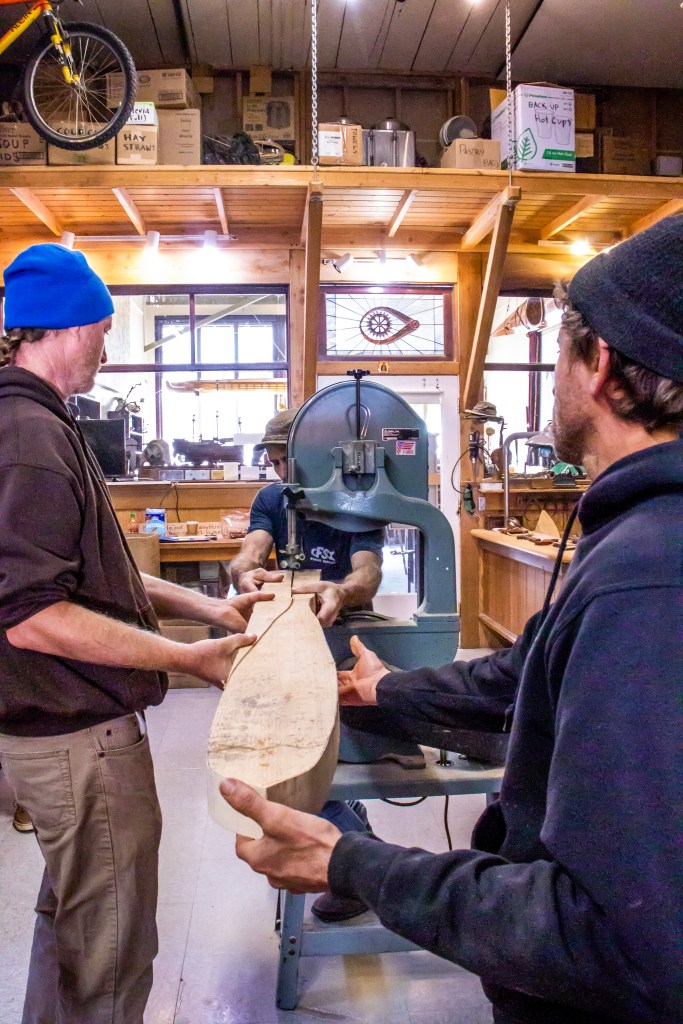
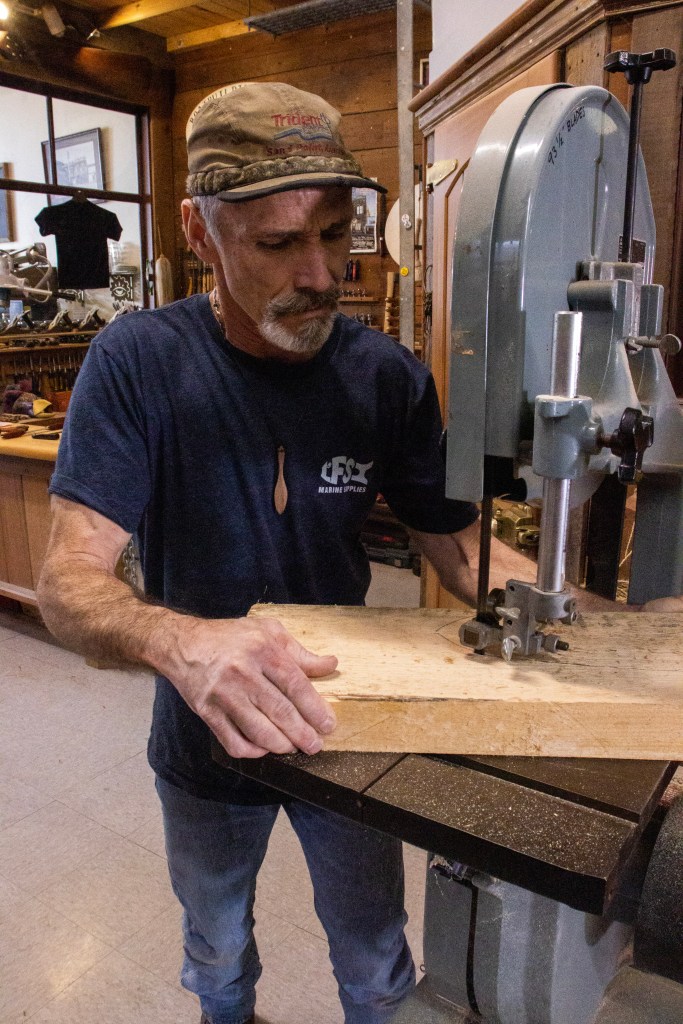
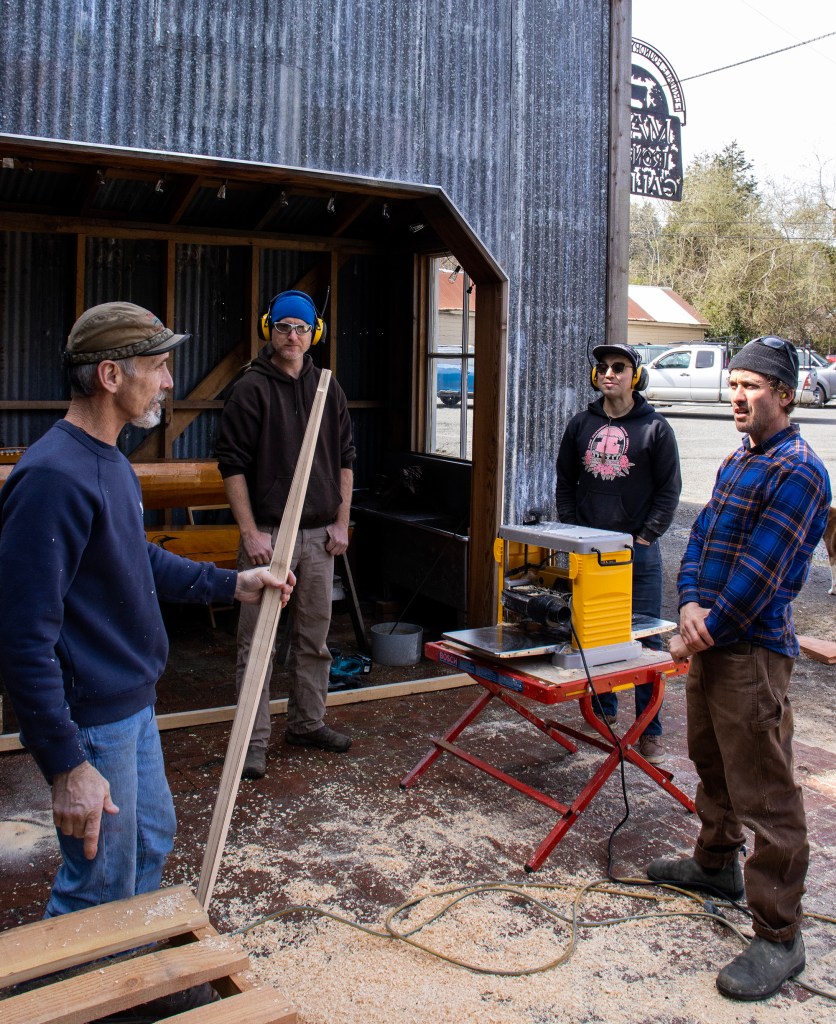
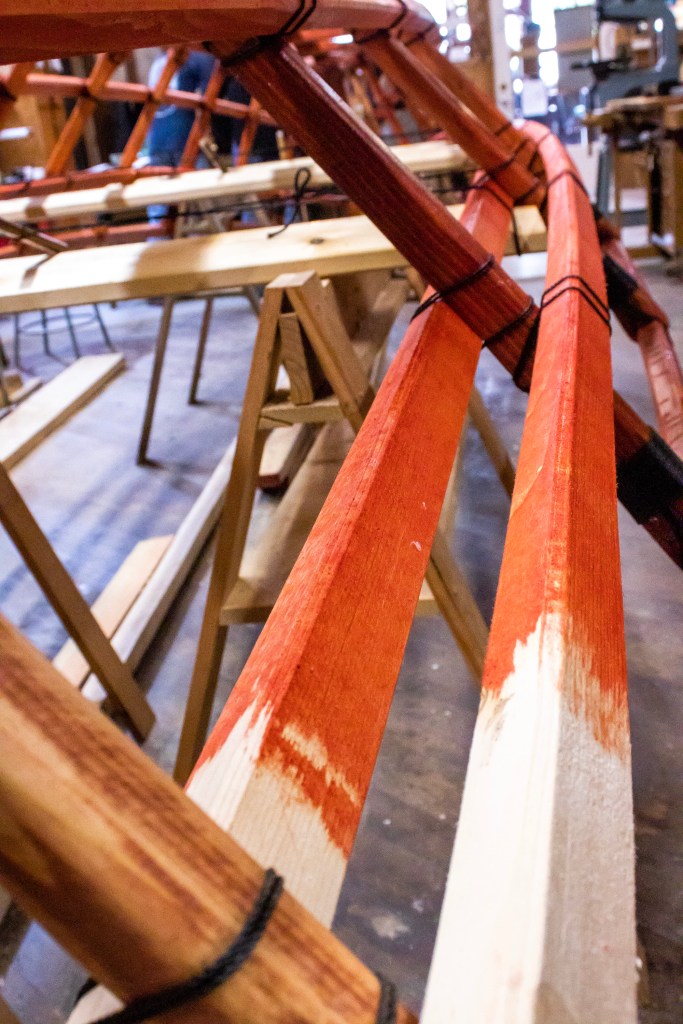
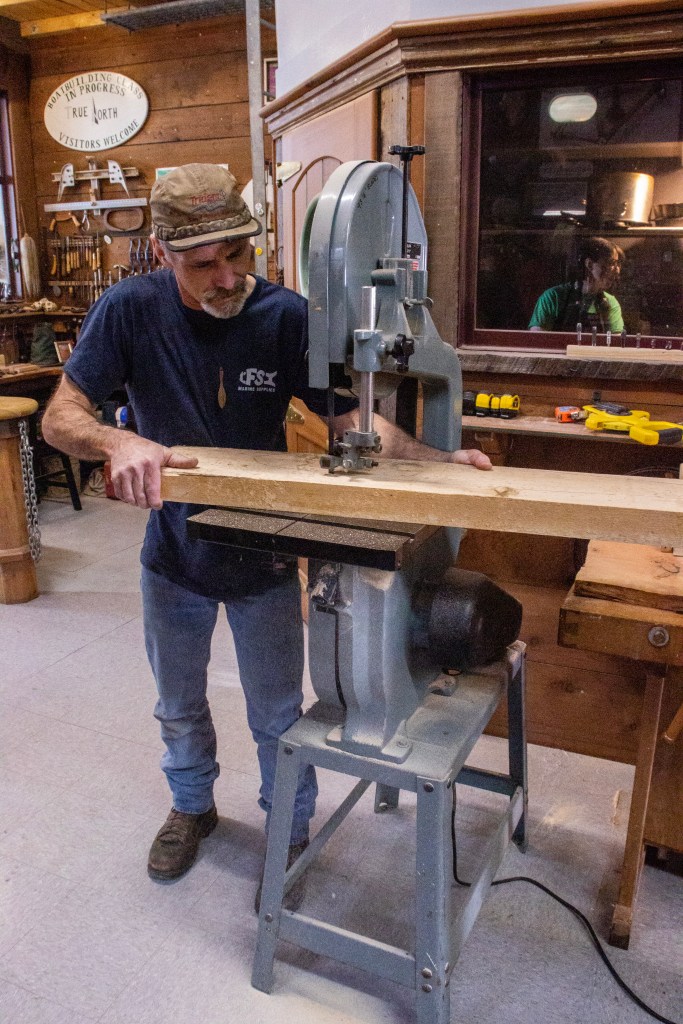
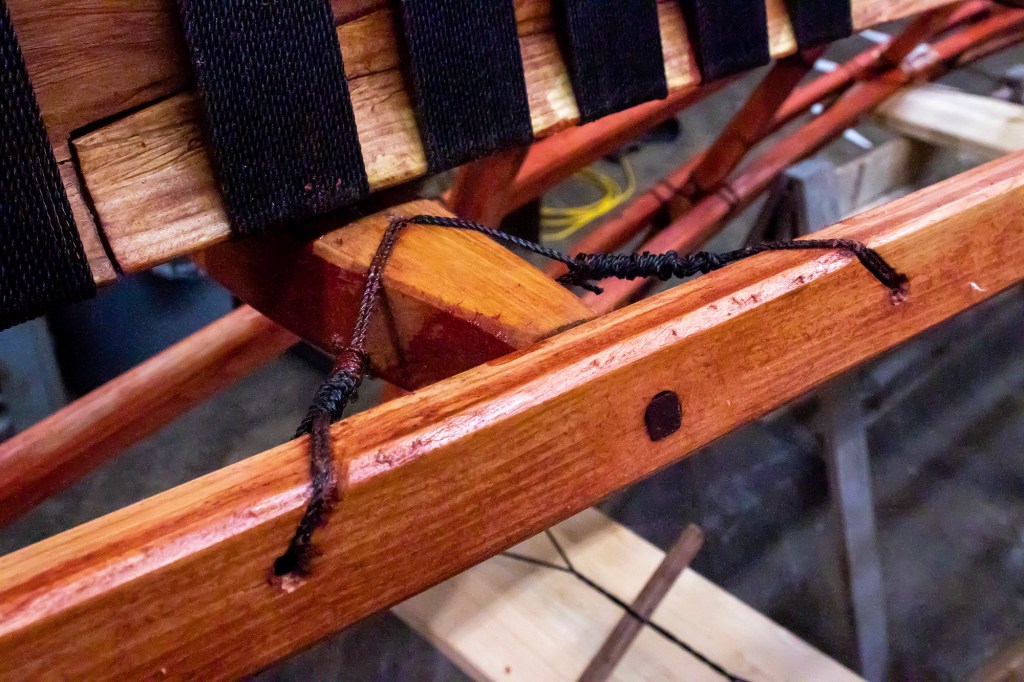
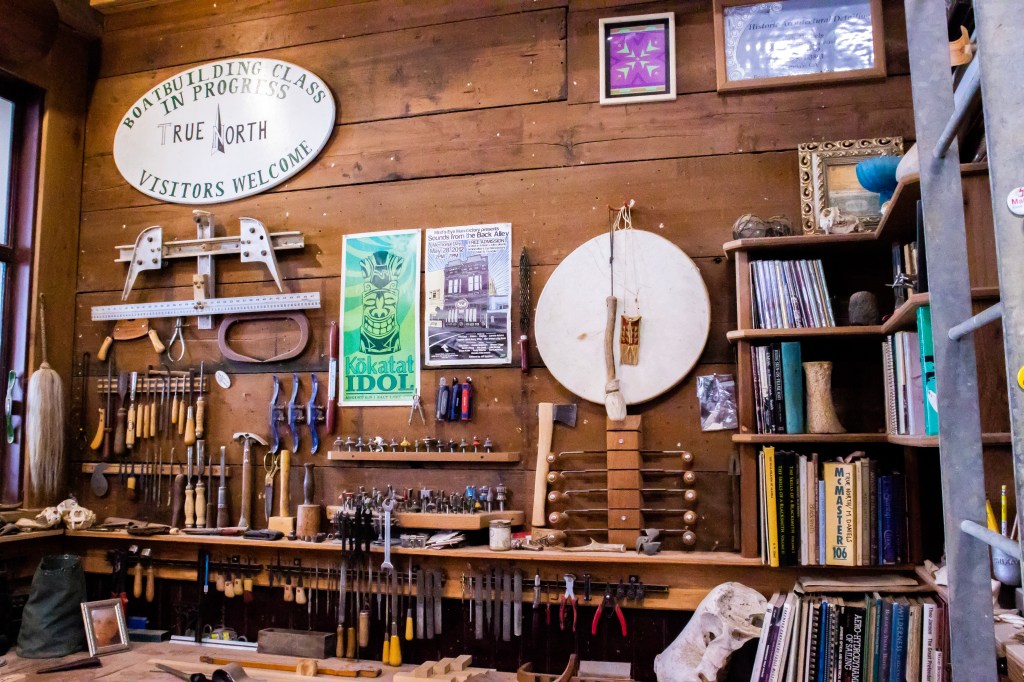
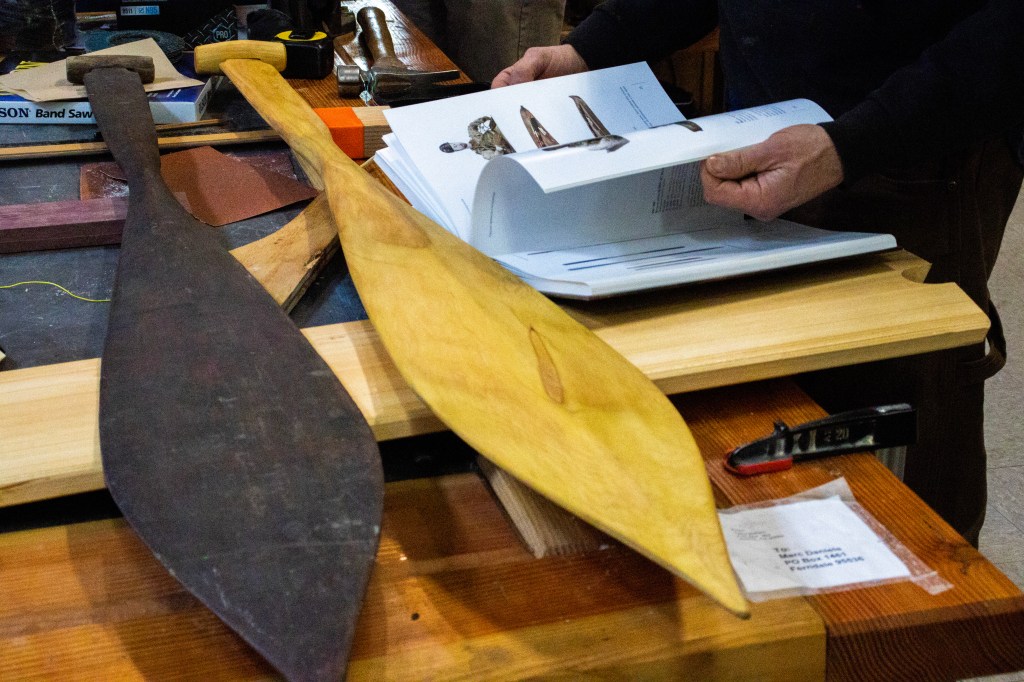
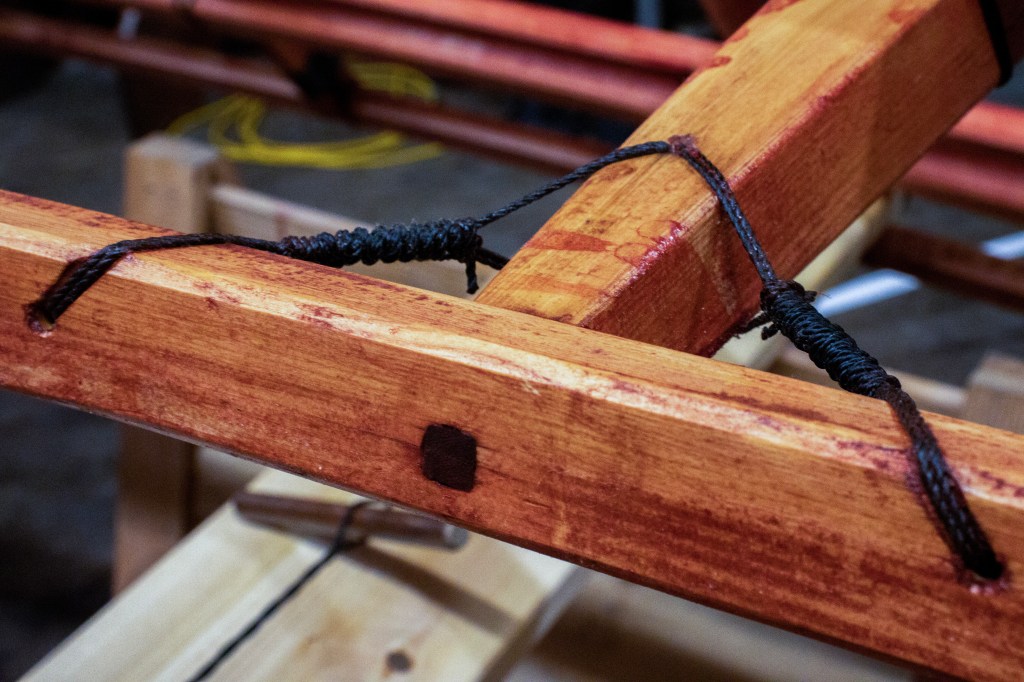
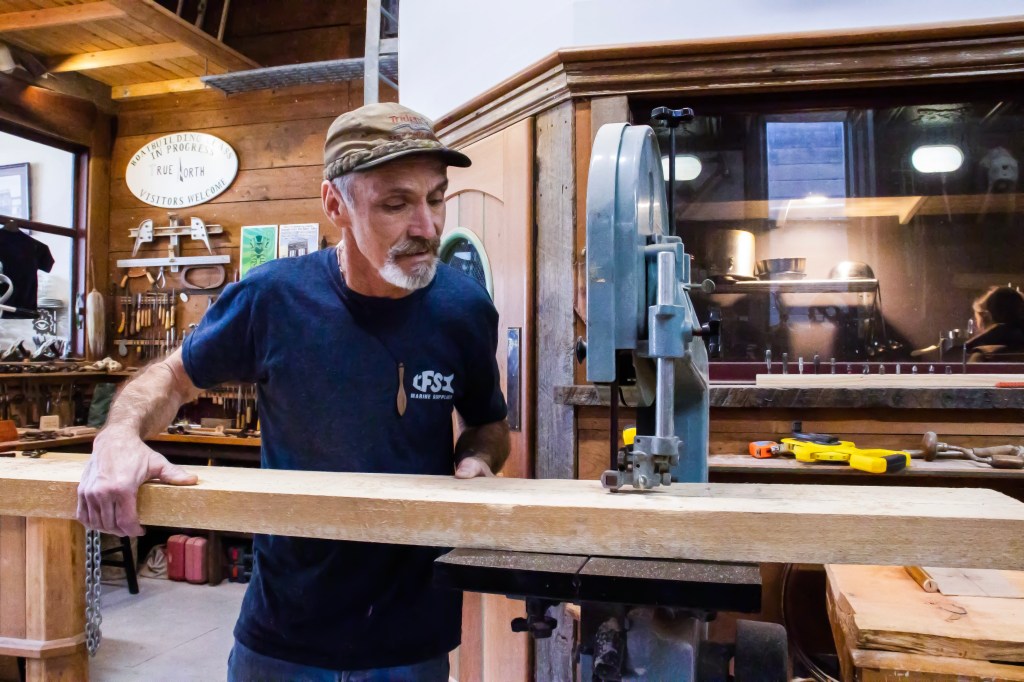
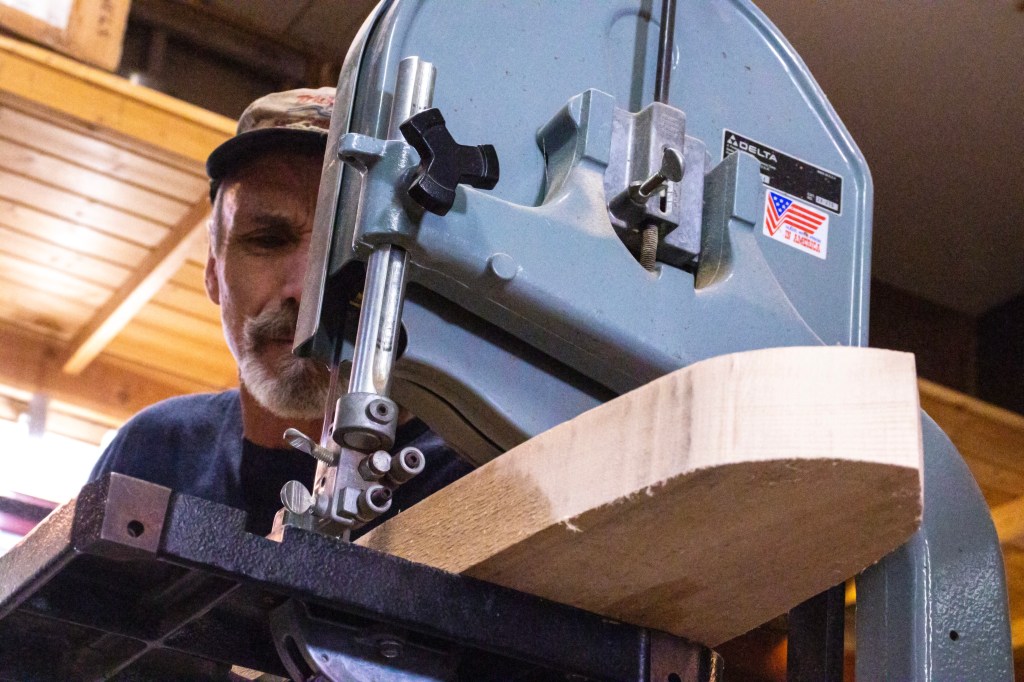
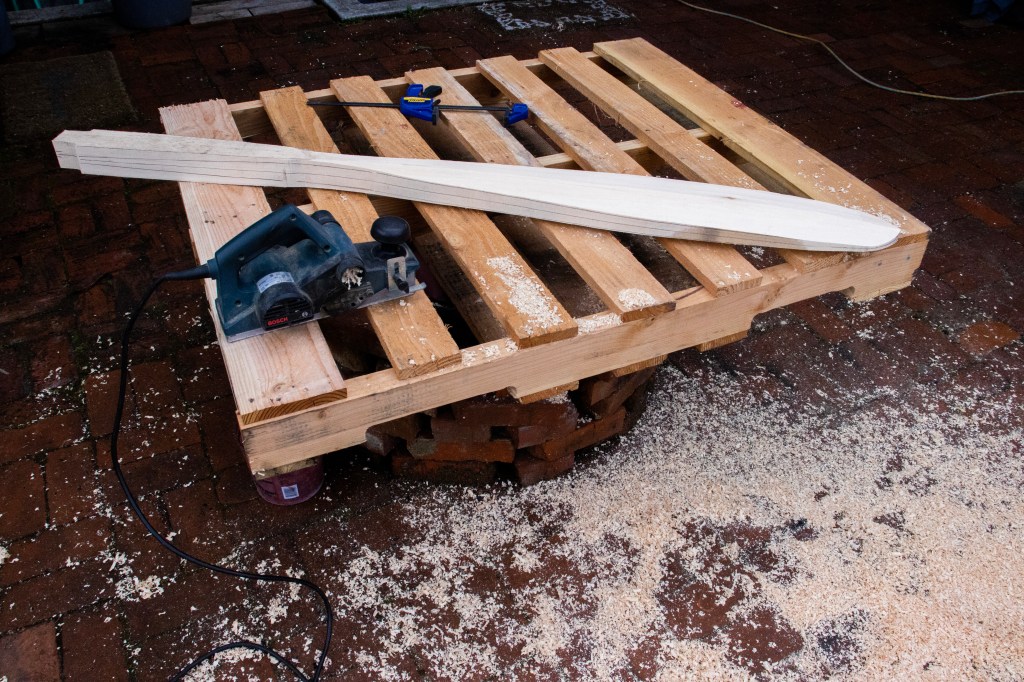
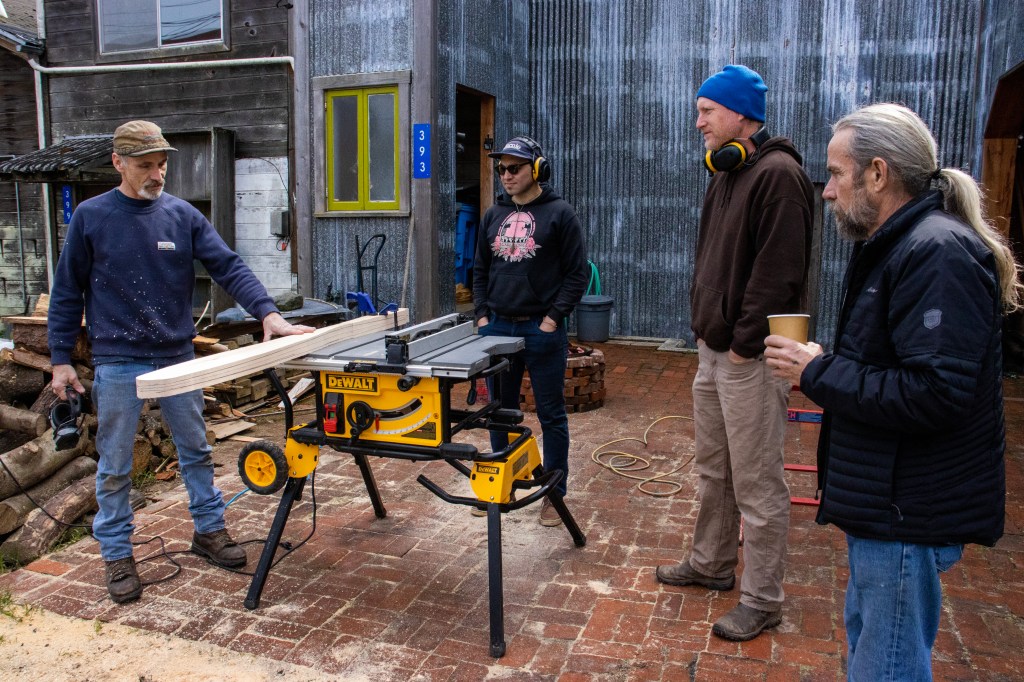
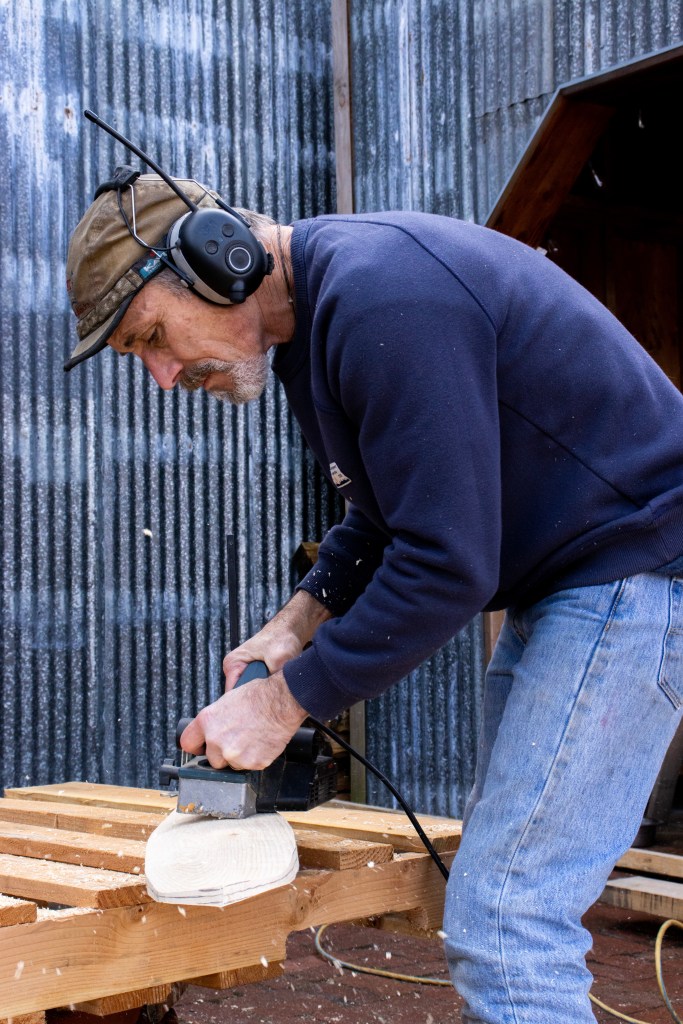
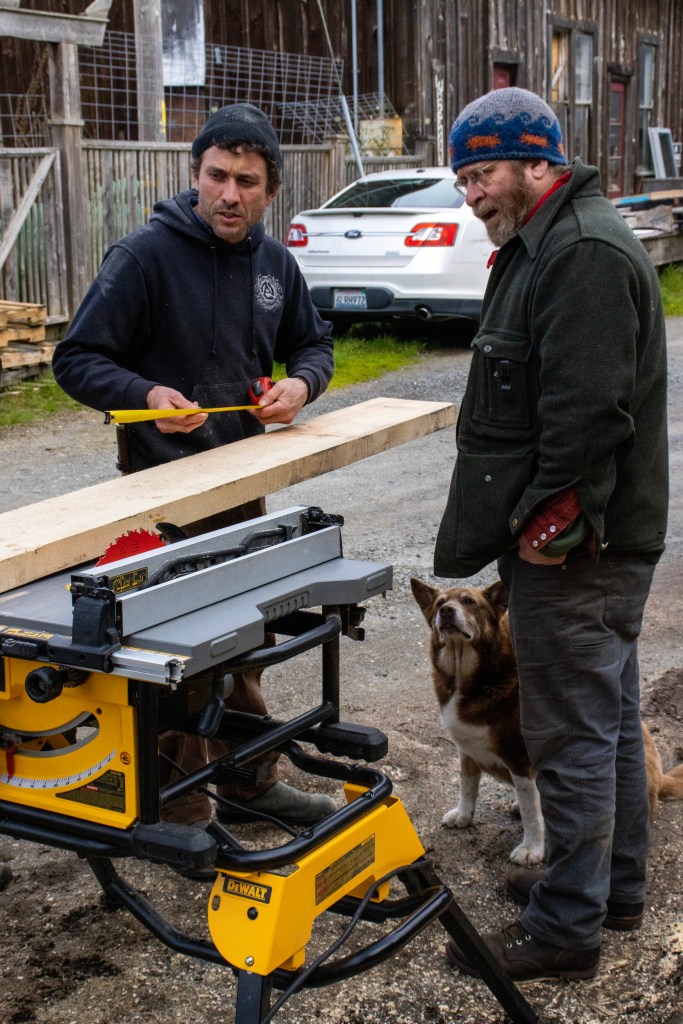
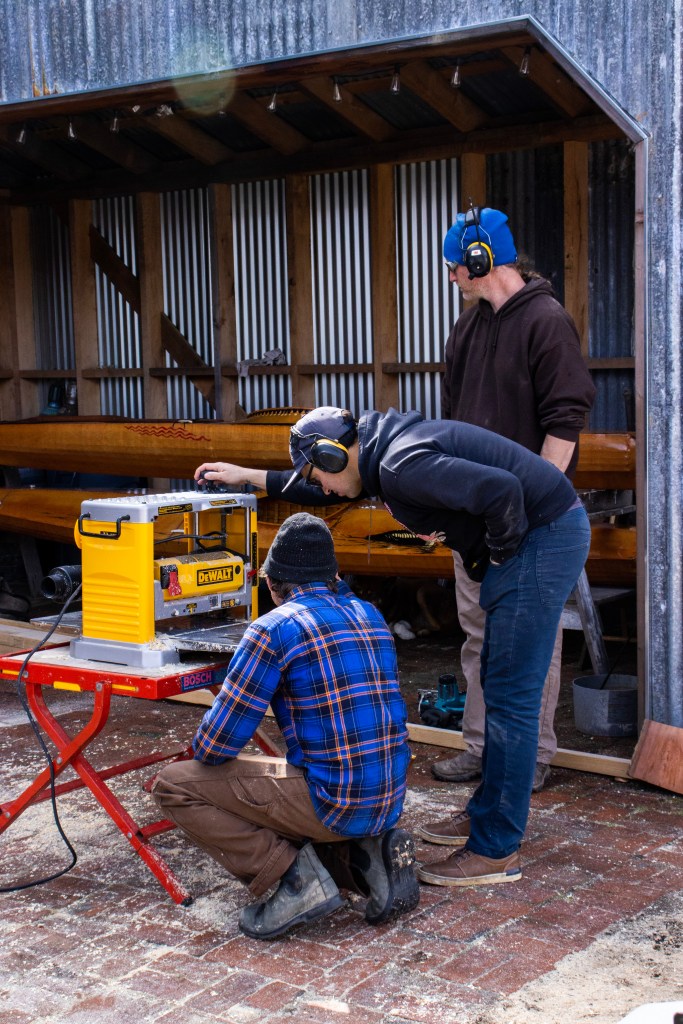
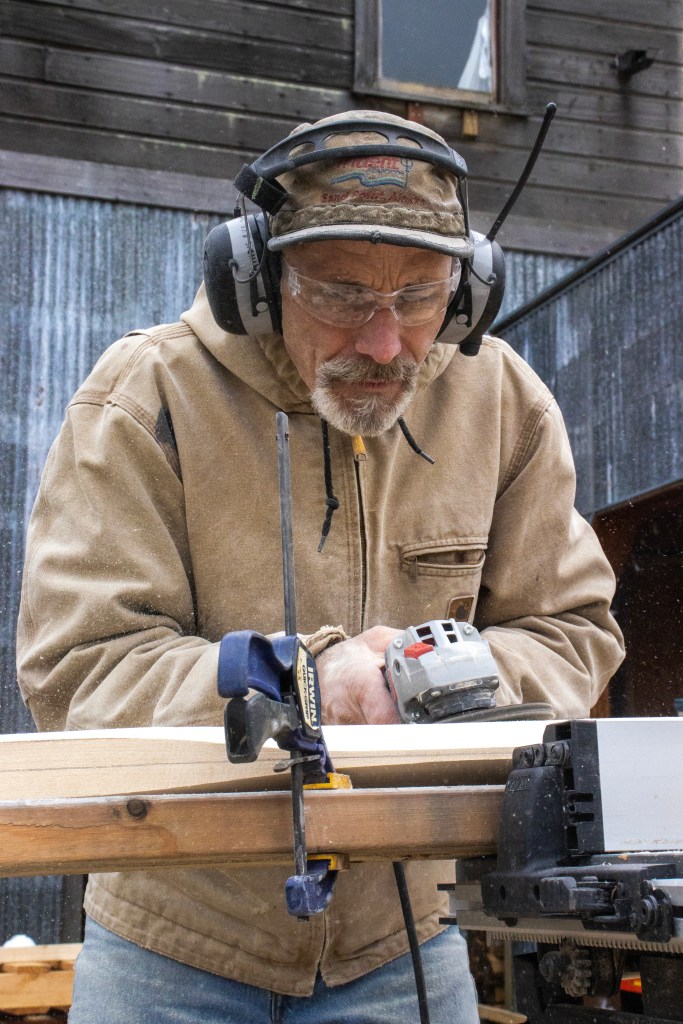
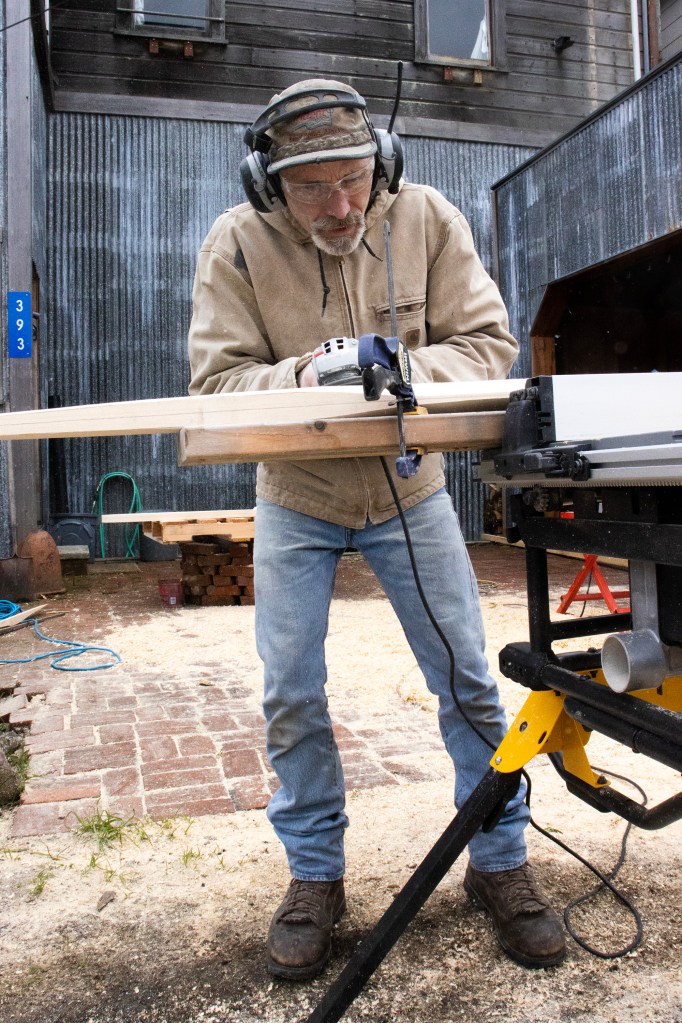
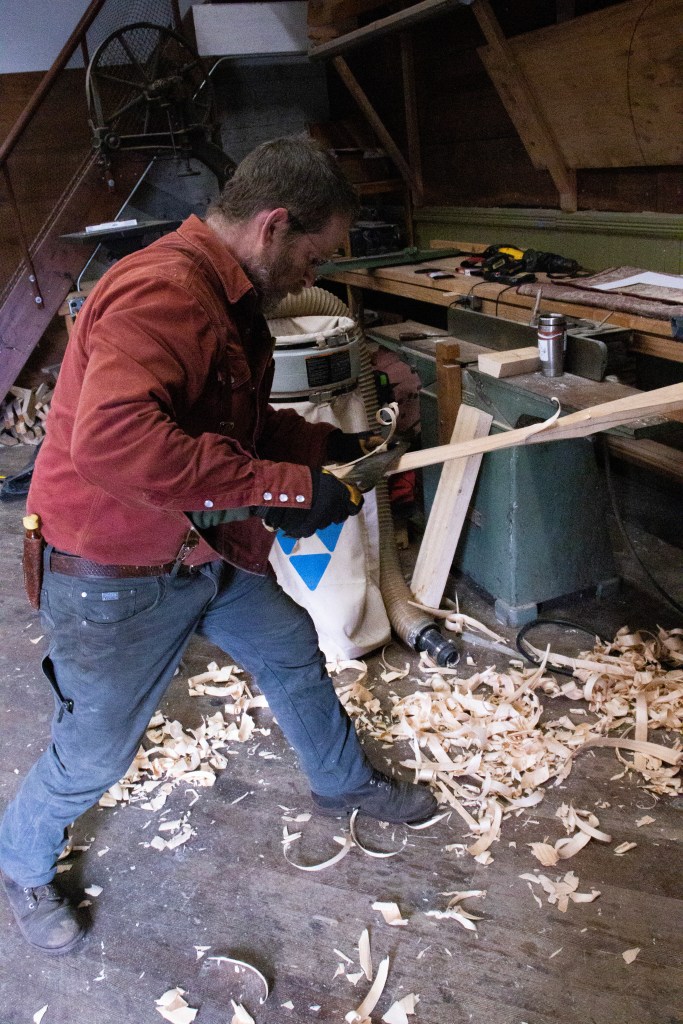
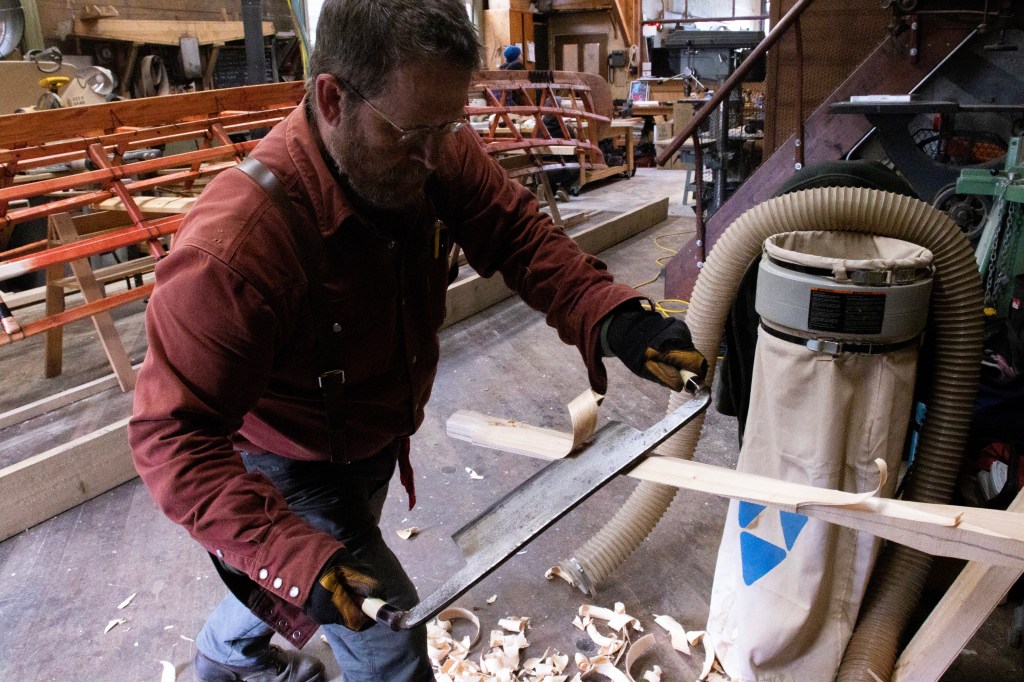
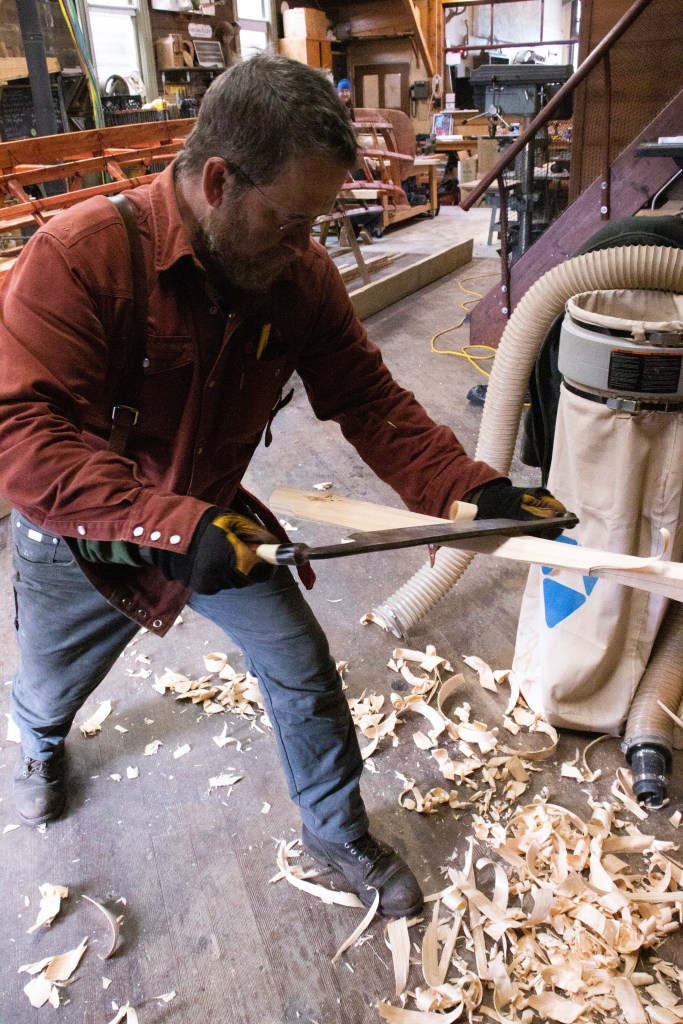
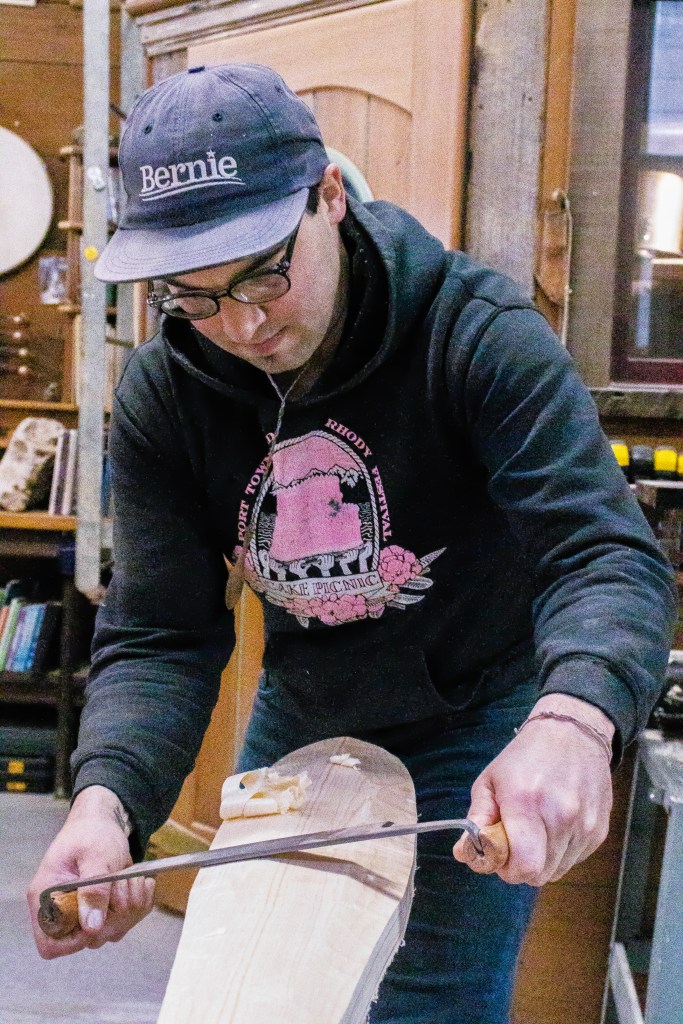
According to Daniels-Aygagnax̂, search for wood used in the nigilax̂ starts on the beach and is collected in the traditional way to be used in curved parts of the boat such as the bow and stern. Synthetic alternatives to some of the traditionally used materials like whale baleen and sea lion skin are being used for sustainability purposes. Steel edged hand tools and power tools being used differ from the ivory and stone tools used traditionally.
“Honestly there’s some trauma from doing the lashings, which became very painful on my hands,” Ferguson said. “To go from a flat piece of wood, to shape it into something beautiful that’s going to be used by somebody, is rewarding.”
Alaska Native Day at the Fort is held at Metini yearly and was first organized by an Unangax̂ woman several years ago. This event is where the nigilax̂ built in Humboldt will be launched this spring. There are plans to have dance groups from the Unangax̂ tribe, Kashia Band of Pomo Indians and Wiyot tribe in attendance.
Daniels-Aygagnax̂ was given the name Aygagnax̂ by an Unangax̂ mentor, with the closest translation being “one who walks.” He has been practicing Indigenous boat building for 30 years and teaches the skill.
“I work towards healing and creating better community environments that can empower people to live the lives that they want to live,” Ferguson said.


 Ruby Cayenne