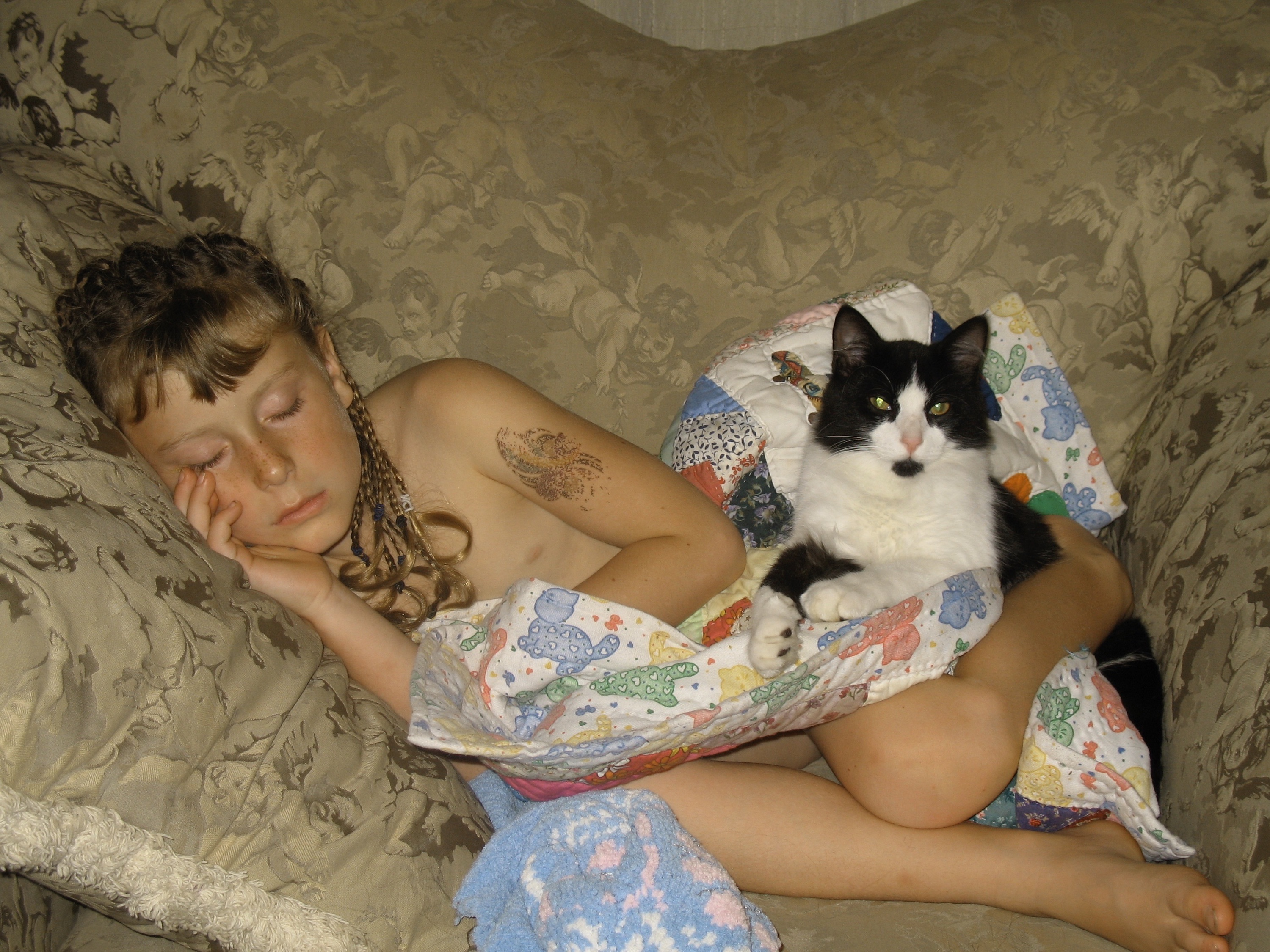
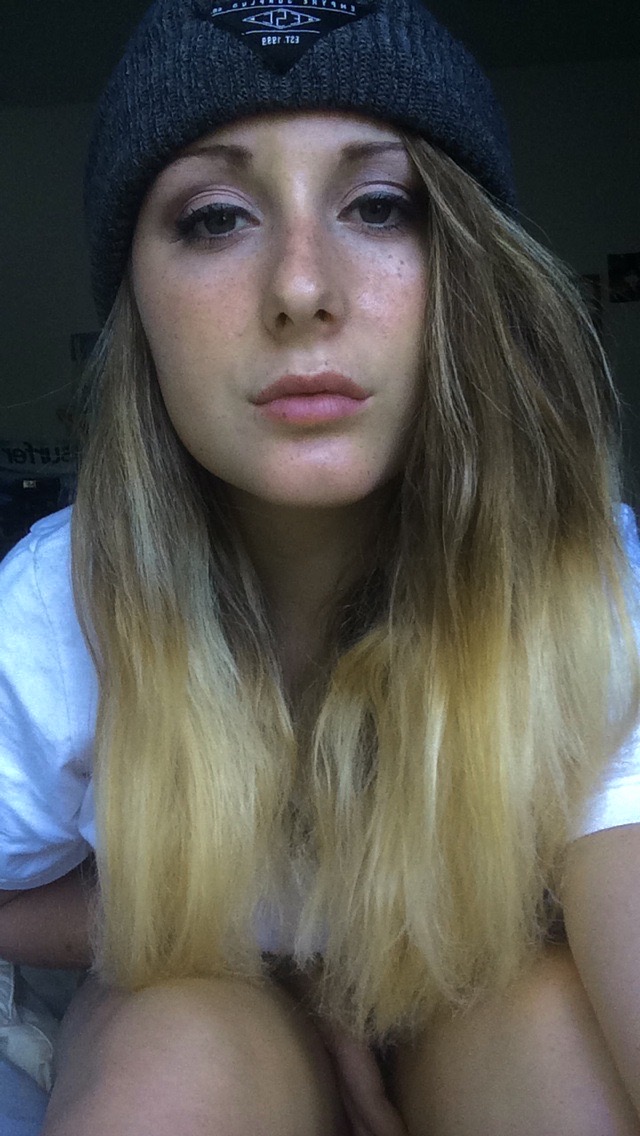
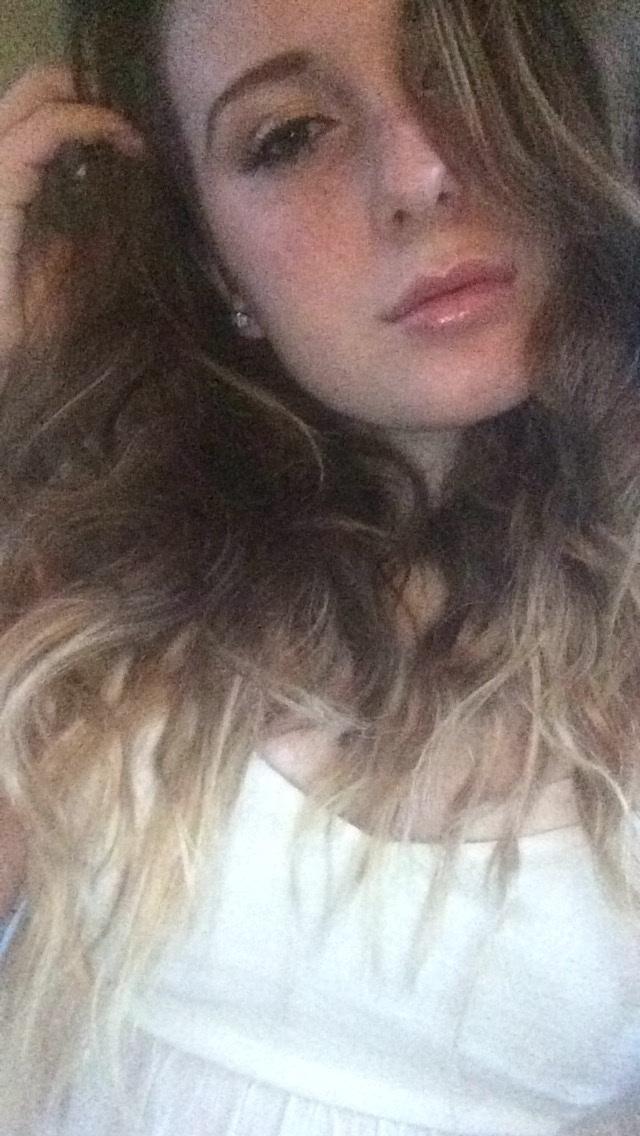
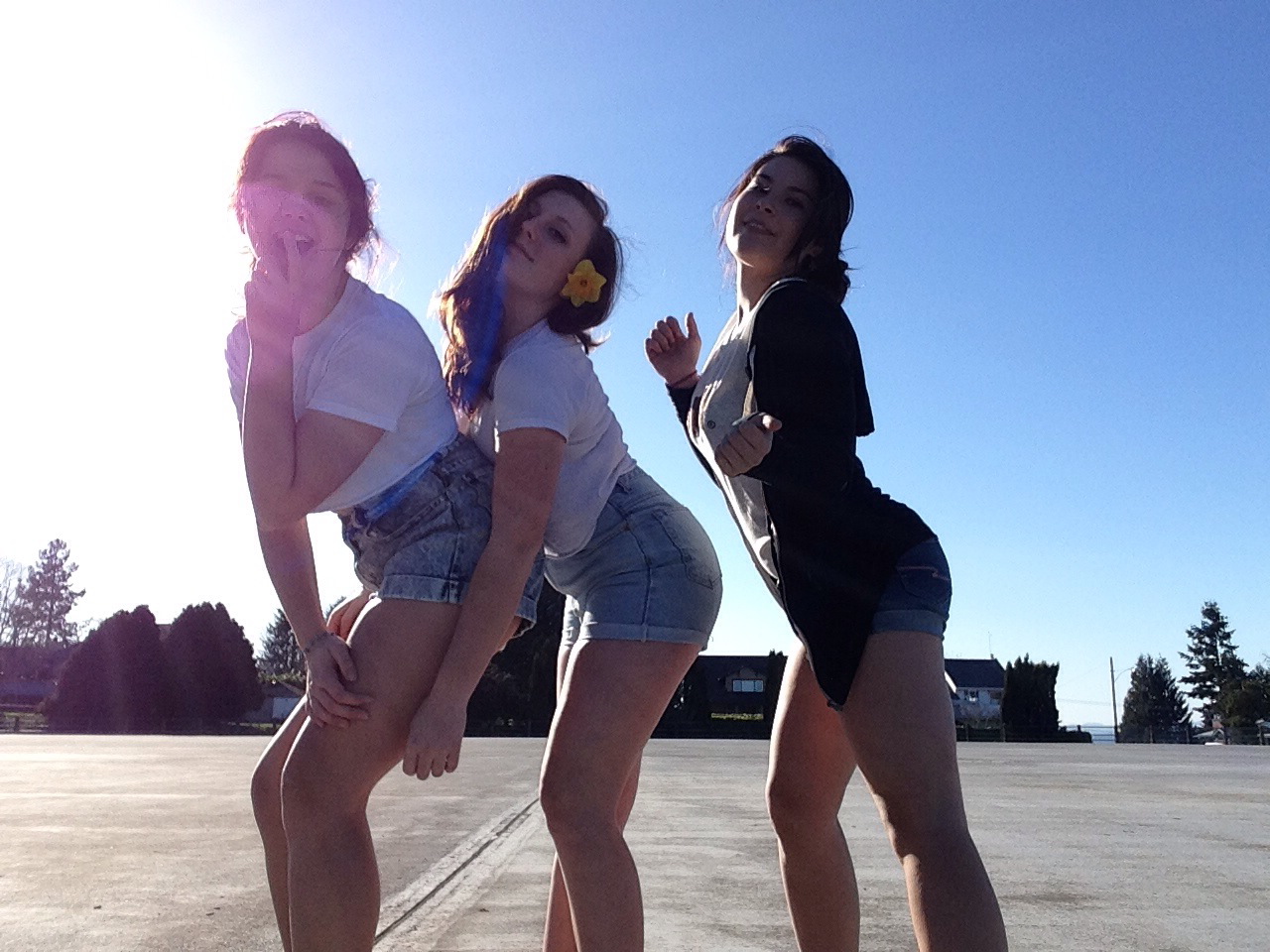

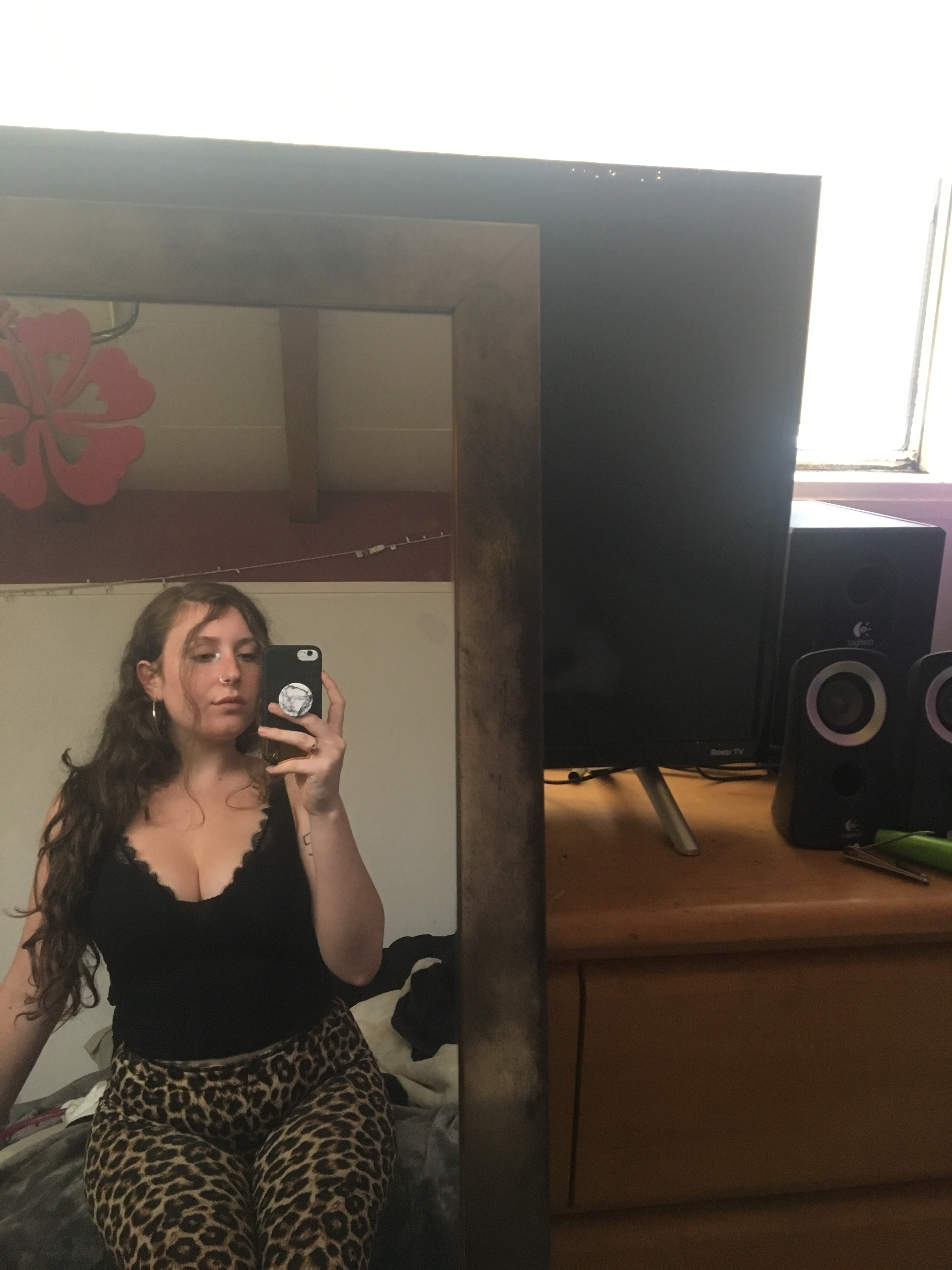
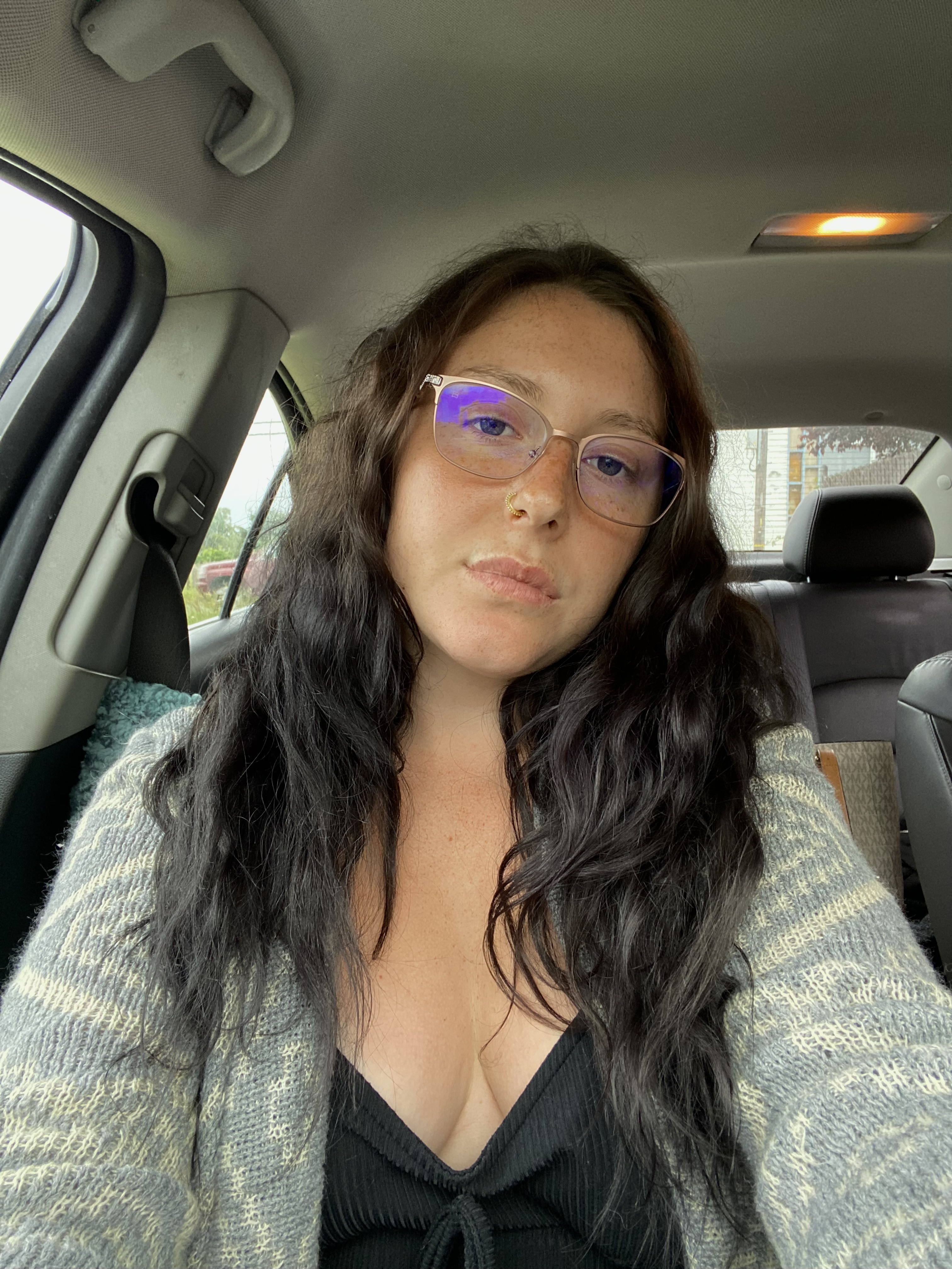
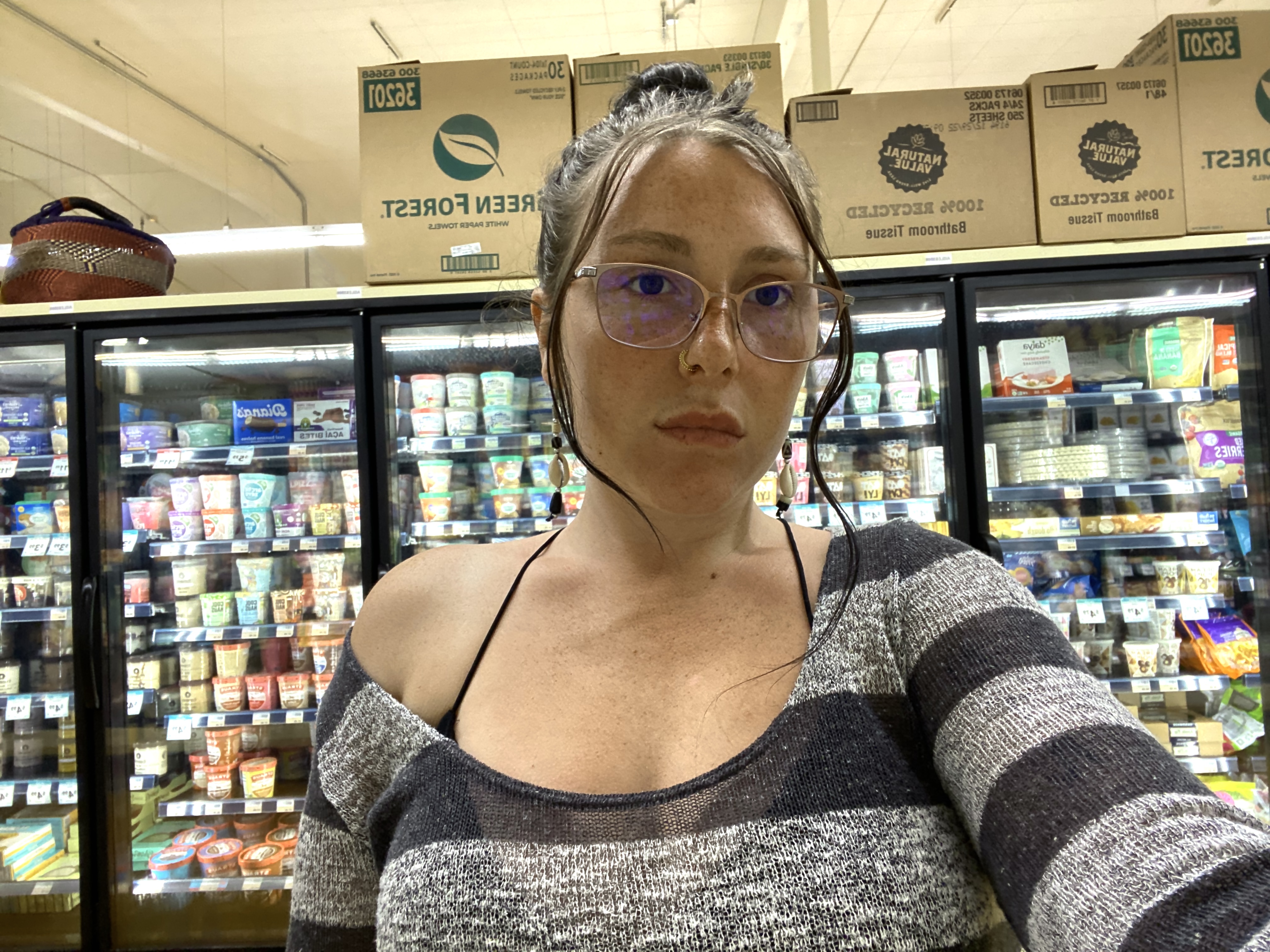
Photo captions: Front top to bottom left to right: In the first photo I am 7 years old. My hair had never been dyed and was a medium brown until I hit puberty and it got much darker. My hair is bleached in the next two images and I am age 14 and 15, I guess I didn’t care that my hair was yellow I just wanted to fit in. In the next two, I am 14 and my hair is its natural color. During that time I was attempting to be more open about my culture and brought up to my friends at my mostly white middle school that I was Cuban to which someone jokingly called me a wetback, so I bleached my hair again. In the middle right photo, I am 18 and had just begun to completely be myself again and my natural brown curly hair is fully grown out. The next two photos are from this last week and depict a fully grown woman who knows and loves her mixed-race self.
The part that Photoshop has played in regard to the misrepresented portrayal of women across the globe has affected many women and girls, including myself. These photoshopped images first reached my eyes when I was a young girl before I had the ability or resources to understand the level of misrepresentation they were causing. I genuinely thought that some women looked like that, perfectly sculpted and proportioned features from head to toe, not a single blemish, and I criticized myself for not having those unrealistic attributes. In the past, and perhaps sometimes in the present although it has lessened, photoshop was used to also lighten the skin of women of color. That affected the way I looked at myself and my family members who have naturally brown skin.
All of this self-hatred for not looking like the idealized naturally pencil-thin white woman that Photoshop pushed into mainstream media happened, for me, from age 6 or 7 until I was 16 or 17. That is a decade of wishing I was something that I am not because of the beauty standards that were being pushed in mainstream media, supplemented by Photoshop. It has been found that “photo retouching is indeed having an effect on the body images of young girls, and the research backs them up,” (TV Criticism, 2014). It brings me great sadness to say I did what I could to pass as one of those women. I died my hair blonde, I ate less than I needed to, and I didn’t mention my cultures to people who weren’t also from an ethnic background because I was afraid of experiencing racism as I had in the past when I was open about my ethnicities with white people. This idealization of a certain kind of beauty that Photoshop contributed to is the result of women feeling afraid to be themselves due to Eurocentric beauty standards. On the inside I was proud of my cultures but my fear prevented me from showing it on the outside unless I was around other ethnic people.
In South Park’s “The Hobbit,” the fourth-grade girls of South Park Elementary do everything they can to be accepted by using Photoshop to change their images. Their eyes are made to be larger, their nose smaller, their breasts bigger, their waste smaller, their behinds bigger, and their thighs smaller. It is the age-old recipe for the look you needed in this society to be considered beautiful.
In the past, women who would advocate for more inclusive beauty standards were criticized as “merely a less popular girl who is lashing out at those who are prettier than her,” (TV Criticism, 2014), rather than consideration being taken that there is more than one kind of “beautiful.” In the present day, there is a much wider range of what is seen as beauty, and women who are more curvaceous and ethnic are being sexualized just like skinny white women. I did not grow up with much culture from my elders beyond the understanding of where my family was from and making some of our traditional dishes at home unless we were in Miami. This happened because when they moved to this country in the 60s, they were shunned by their community when they did not conform to the cultural standards of the United States, and my grandmother was beaten in school when she spoke Spanish or acted in ways that weren’t white conforming. She also lightened her hair and stayed out of the sun in her youth due to this kind of discrimination.
I have heard from many others that I’ve connected with in my adult life, whose family immigrated to the United States, and did their best to assimilate to this culture, rather than hold on to the culture of their mother countries without fear of rejection from their work and communities. That is a scary thing to do when you did everything you could to get here to find a better life for your family without war and hunger. It is such a complicated thing with such complicated emotions, and I am still unpacking the shame I feel from trying to conform to the beauty standards in this country that were aided by Photoshop The effects that are capable through Photoshop have been further modernized into Instagram filters. They make your face instantly look like an airbrushed and reshaped version of yourself instantly. I struggled with these up into my early twenties and wrote something about them when I stopped that I will share.
“I want to talk about Instagram filters. Some of you have long since been able to love each and every bit of yourself wholly, which is great, but this post isn’t for you.
Instagram filters in stories initially got to me, because I was able to see myself as if I’d got all the surgical procedures to “correct” my face, for the first time. I dislike doing my makeup very much and the way it feels on the face, this was much easier! It was not a huge change, but enough to cause feelings of dissatisfaction within myself seeing my bare, natural, face.
I am not talking about the ones that give you foundation or change the colors, but the ones that slim your face, eyes get bigger, nose gets smaller, lips get bigger, instant eyelash extensions. We all know the ones I’m talking about. I’d use them and say wow I look so “perfect!” But so does everyone who uses them, no matter what you actually look like, and what the fuck is perfect. Now, I am not hating on anyone. I myself used them all the time for about a year, and over that year, I increasingly struggled with confidence.
Stopping use of them has been one of the things that has helped a lot with rediscovering love for myself and the beauty that I always have had. Shoutout to the almost a thousand people (all men) who unfollowed me once I stopped tryna rock like I was an influencer, it’s just not me.
Growing up in a country with heavy Eurocentric beauty standards got to some of us more than others growing up. When almost every woman represented until recently was skinny and white white, and I am neither, bet your ass the only things Iv ever been bullied for was my ethnicities. Not white enough to relate to the white kids, not middle eastern enough, not Latin enough to feel completely secure in that either, though my Latin brothers and sisters always got me.
Living in a time now where beauty standards have changed, and more reflect how I naturally look, having these filters that accentuated these features was exciting and enticing. But I found I was doing a disservice to myself as the difference of a more surgical appearance wore more on me as time went by.
Big up to my ancestors in Cuba, the Middle East, and Eastern and Northern Europe but fuck the Israeli government. I am an amazing person, and I give myself credit for that, but the love I showed myself was not reflecting my value of my personality. The question is, is “x” going to matter on your deathbed? No? ok, move on. Keep your growth mindset functional and just be,” (Ruby Cayenne, 2022).
Reflecting back on what I wrote at that time, I am proud of myself. I’ve always had a hard time loving myself in a physical way and could never see the beauty I’ve always had. It took twenty-two years to get there, and I can say that the misuse of Photoshop absolutely contributed to that struggle. I still get nervous talking about this stuff because of my own insecurities but I know better than to base my decisions on those insecurities now.
Experts like Dr. Nicole Hawkins say that “pictures like these are the media’s perfect lie. They could change their nose they could change their eyes they could change their teeth they can change the length of their hair they can change anything they want with that (photoshop)…so the majority of teenage girls have no idea that every image they’re seen is manipulated.” I wish I understood how manipulated these images were when I was a young girl, and maybe I would not have had so much self-hatred and longing to look like the beauty standard that was pushed by the same society that harmed and rejected my elders and ancestors. Luckily, I know better now.
That being said, this is still hard for me to verbalize, as I struggle with sharing my insecurities.
 Ruby Cayenne